


Scientific Restoration
The project explores scientifically informed tea plantation management models that aim to improve both the yield and quality of tea while restoring biodiversity, seeking the optimal balance between agricultural productivity and ecological integrity.
Experiment 1: Tea Quality and Ecological Environment. Samples are collected from three types of habitats—monoculture tea plantations, 50% primary forest, and 90% primary forest—to analyze and reveal the correlation between tea quality and ecological environment.
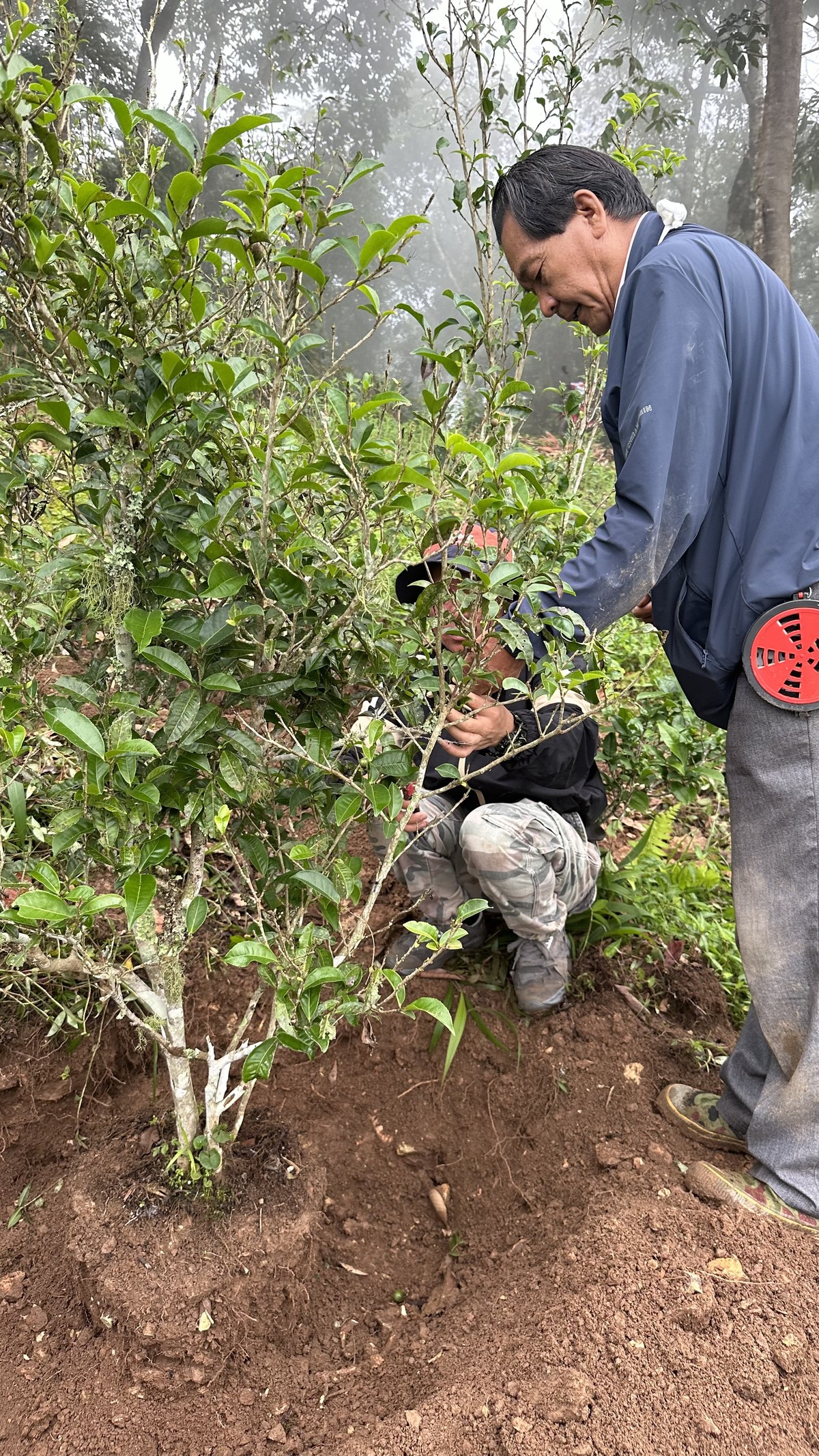
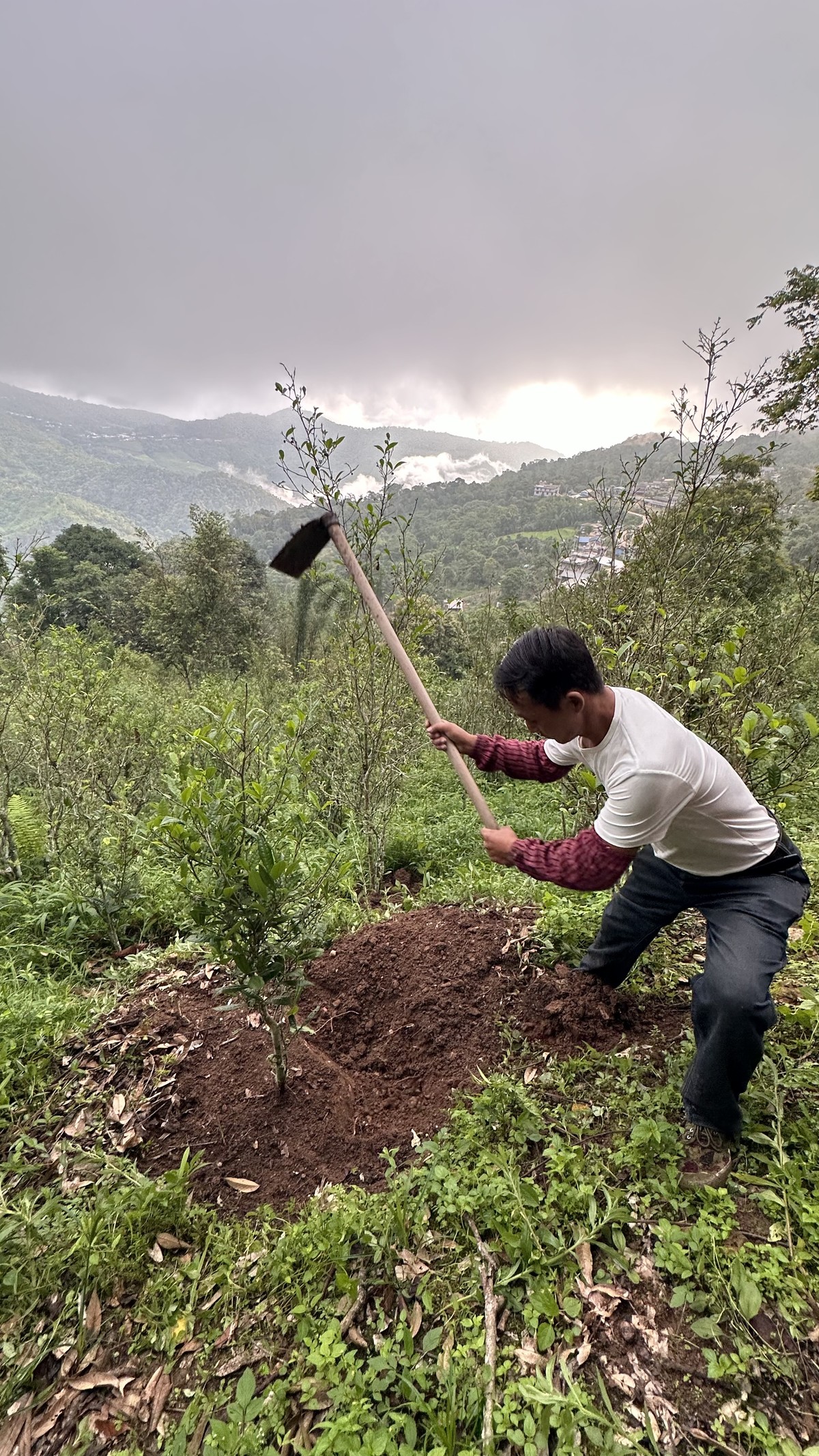
Experiment 2: Tea Plantation Transformation. A small-scale transplanting experiment moves tea plants from monoculture plots into primary forest environments, while reintroducing climax tree species native to monsoon evergreen broadleaf forests into the monoculture areas. This step further validates the results of Experiment 1 and examines whether habitat change directly influences tea quality.
Experiment 3: Tea Tree Age and Tea Quality. Samples from tea trees of various ages are collected and analyzed to quantitatively study the relationship between tree age and tea quality, providing a scientific foundation for sustainable tea cultivation practices.
Community Co-benefit (Improving Local Livelihoods)
Good to Nature launched the “20/80 Ecological Restoration and Rural Revitalization Program,” which promotes the scientific restoration of 20% of villagers’ land while ensuring that the remaining 80% generates higher income than before. This initiative aims to bring together resources from across society to support the sustainable development of Anle Village and encourage broader community participation in ecological restoration.
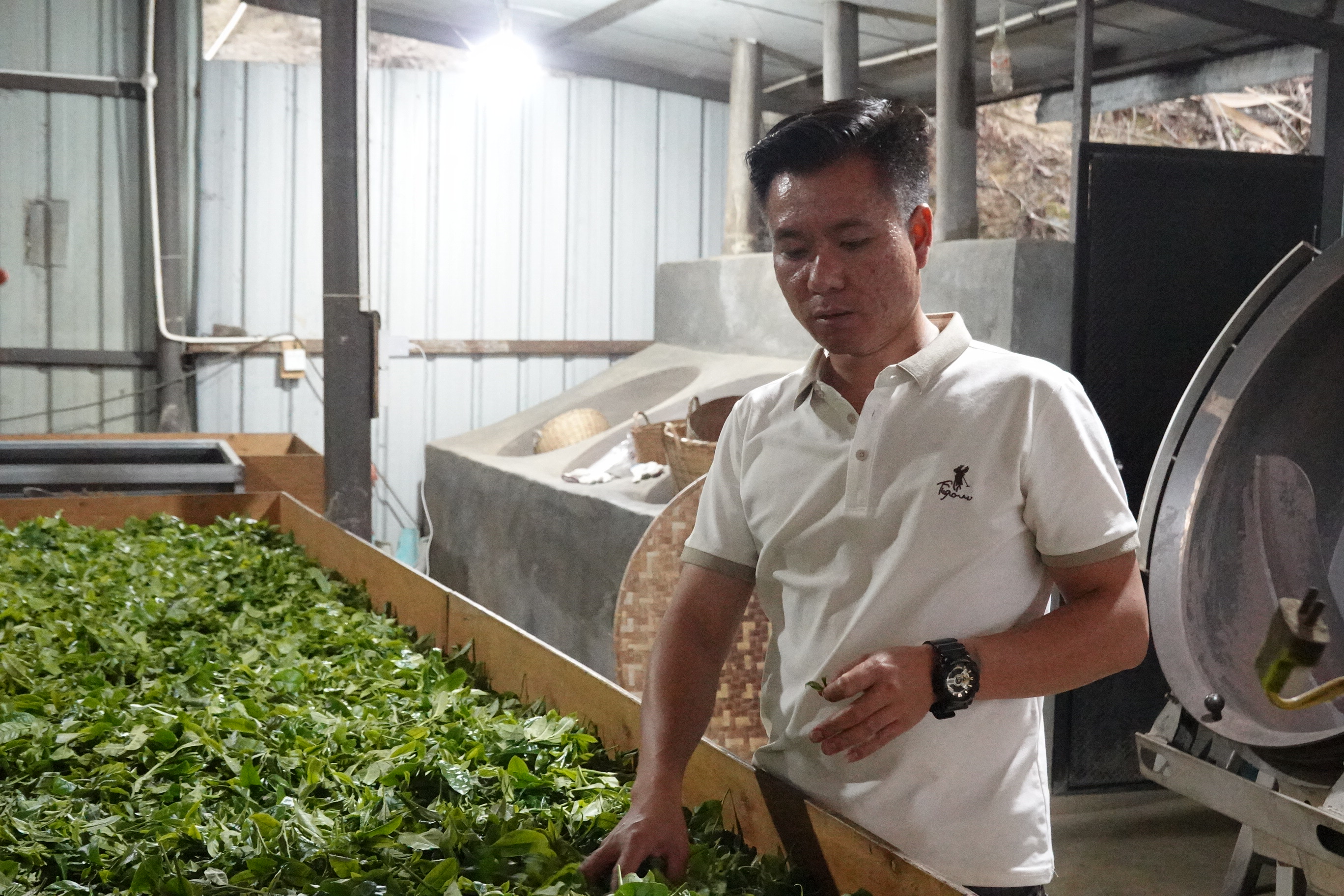
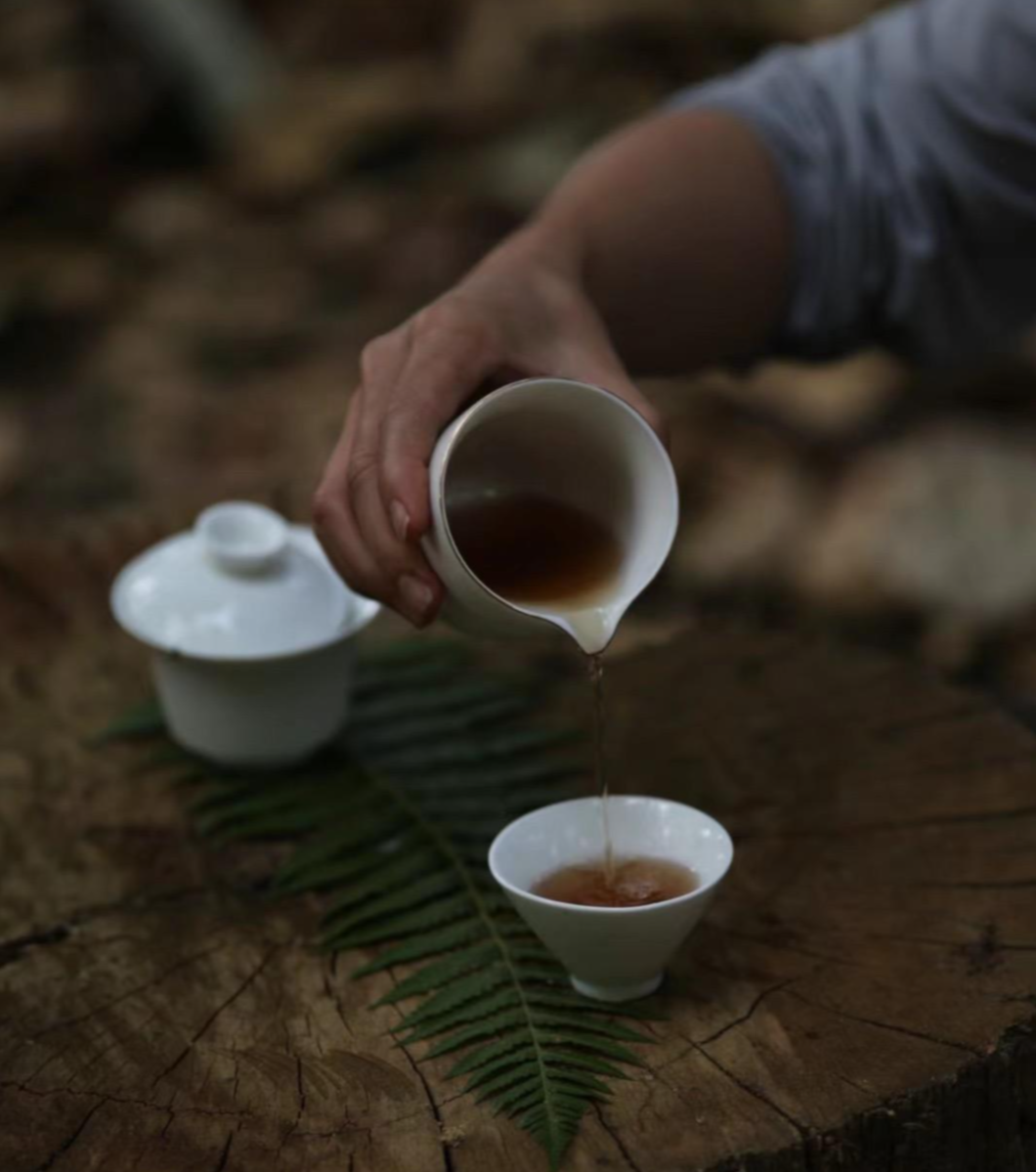
Pu’er tea is one of Yunnan’s most iconic products. Good to Nature takes “Uncle Chai’s Tea” as a model to create a new ecological tea brand. By enhancing the ecological value-added attributes of the tea, the initiative aims to introduce Uncle Chai’s Tea to broader markets, injecting new vitality into Anle Village’s rural revitalization efforts.
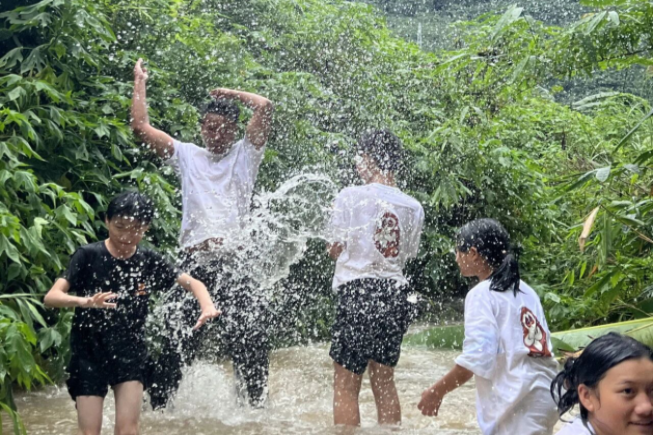
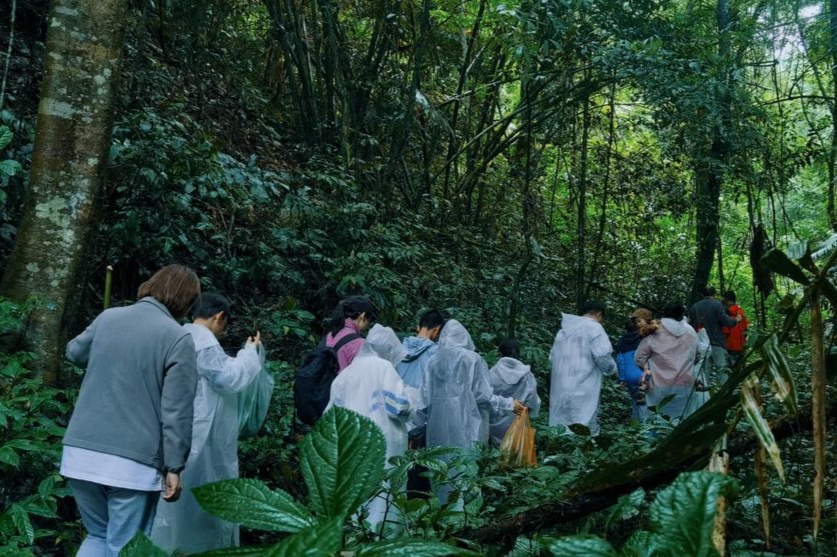
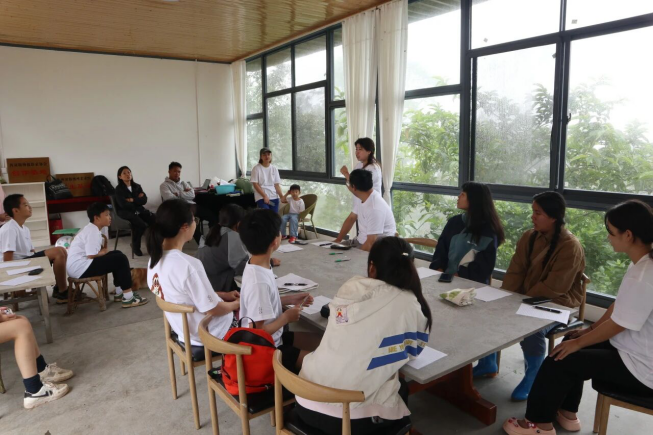
Good to Nature has also established an Ecological Restoration Science Exploration Camp in the Anle Village project area, providing ecological employment opportunities and new income sources for local residents.

Active Social Participation
Good to Nature invites individuals and corporations to sponsor tea plots and contribute jointly to the construction of ecological corridors and the improvement of community livelihoods. The public can easily participate by either donating directly to the public fundraising project or joining themed experiential learning programs, thus becoming part of the collective effort toward sustainable ecological restoration.

 沪公网安备31010402009361号