


Scientific Ecological Restoration
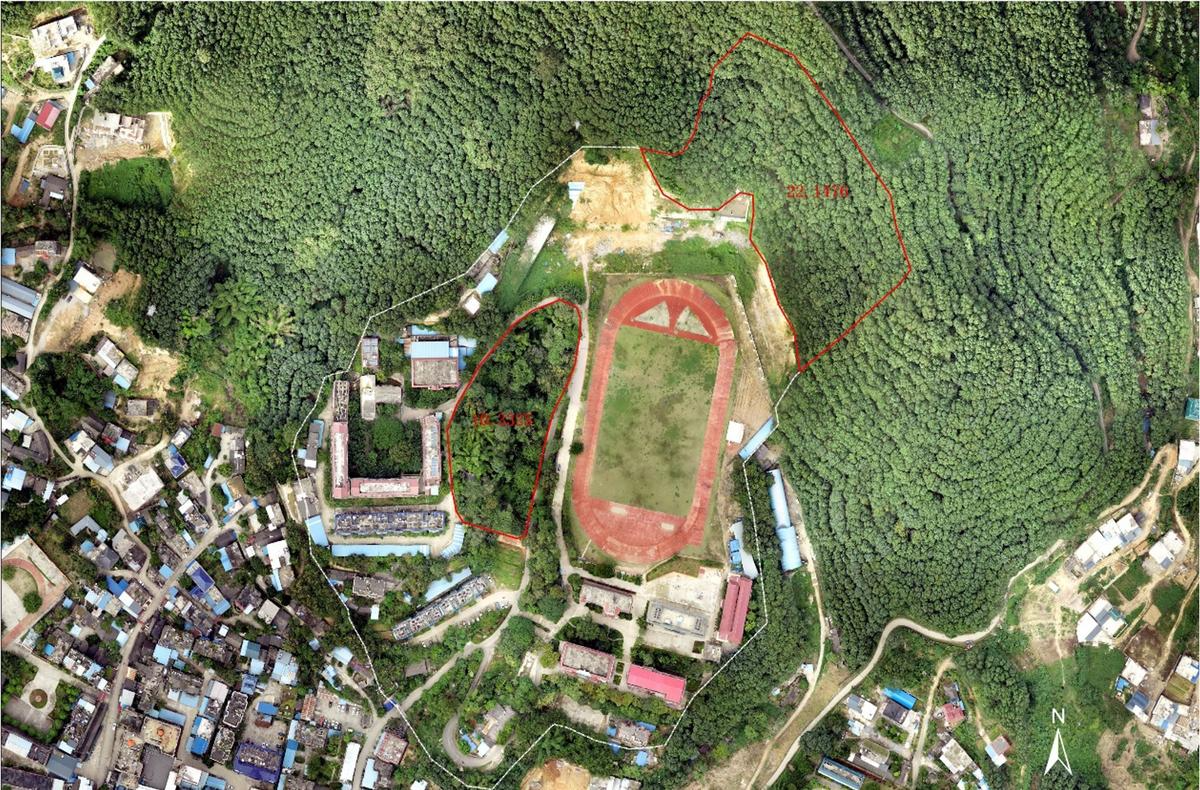
By establishing a 20-mu (approximately 1.3-hectare) restoration site in degraded rubber plantations, the project applies three scientific restoration methods—Natural Regeneration, Framework Species Method, and Nucleation Restoration—to restore tropical forest biodiversity and enhance ecosystem service functions. At the same time, it aims to identify the most effective model for tropical forest restoration.
Natural Regeneration
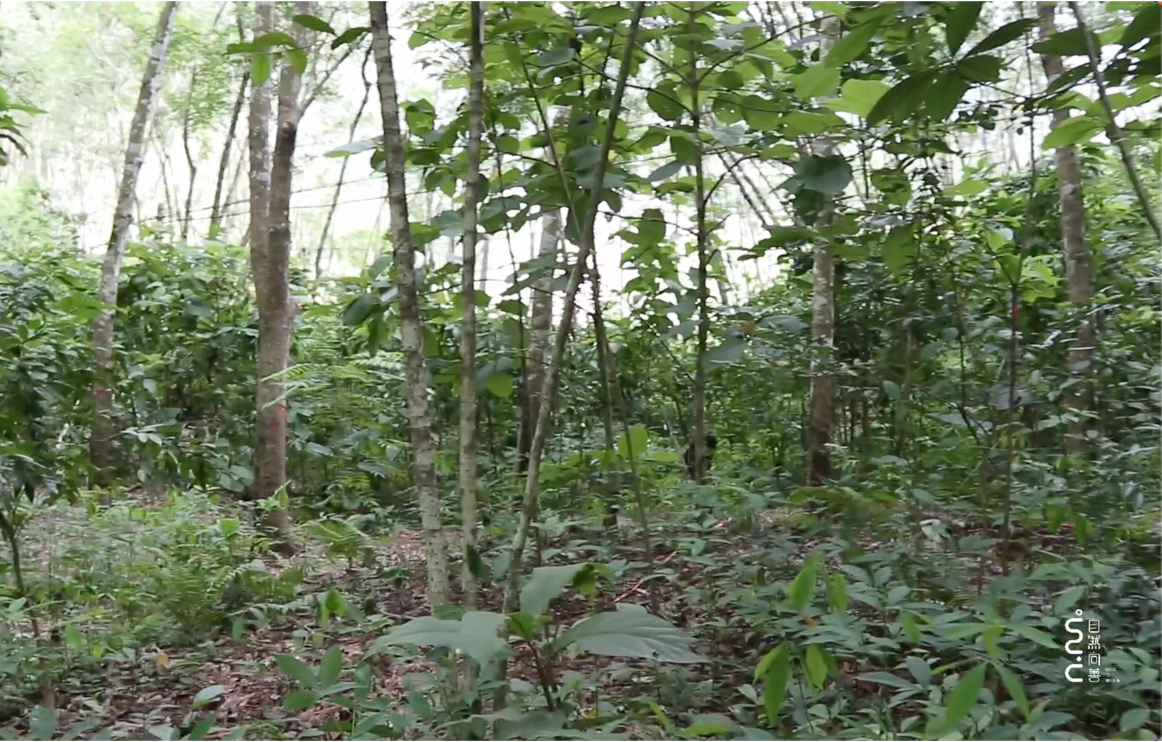
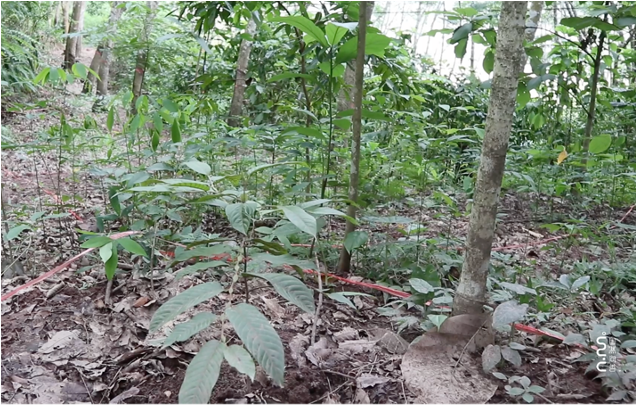
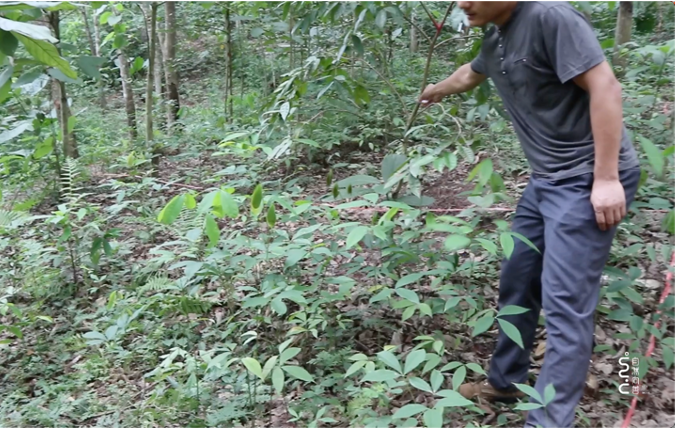
This widely applied method in tropical degraded forest restoration involves protecting the restoration site from further human disturbance, allowing species to naturally recolonize and succeed over time. Through this autonomous ecological succession process, the method enables the recovery of forest biodiversity, community structure, and ecosystem functions.
This method is most suitable for areas with low levels of degradation where small forest remnants still exist, or where natural regeneration has already begun. It is one of the few viable approaches for implementing large-scale forest restoration.
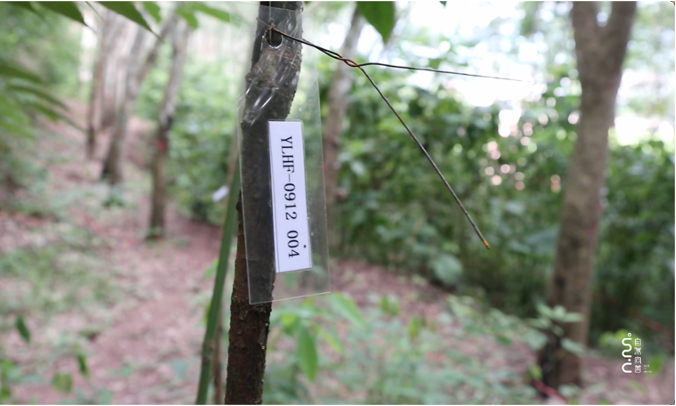
As of December 2023, the Menglun Middle School restoration site has recorded 90 newly established plant species.
Framework Tree Species Approach
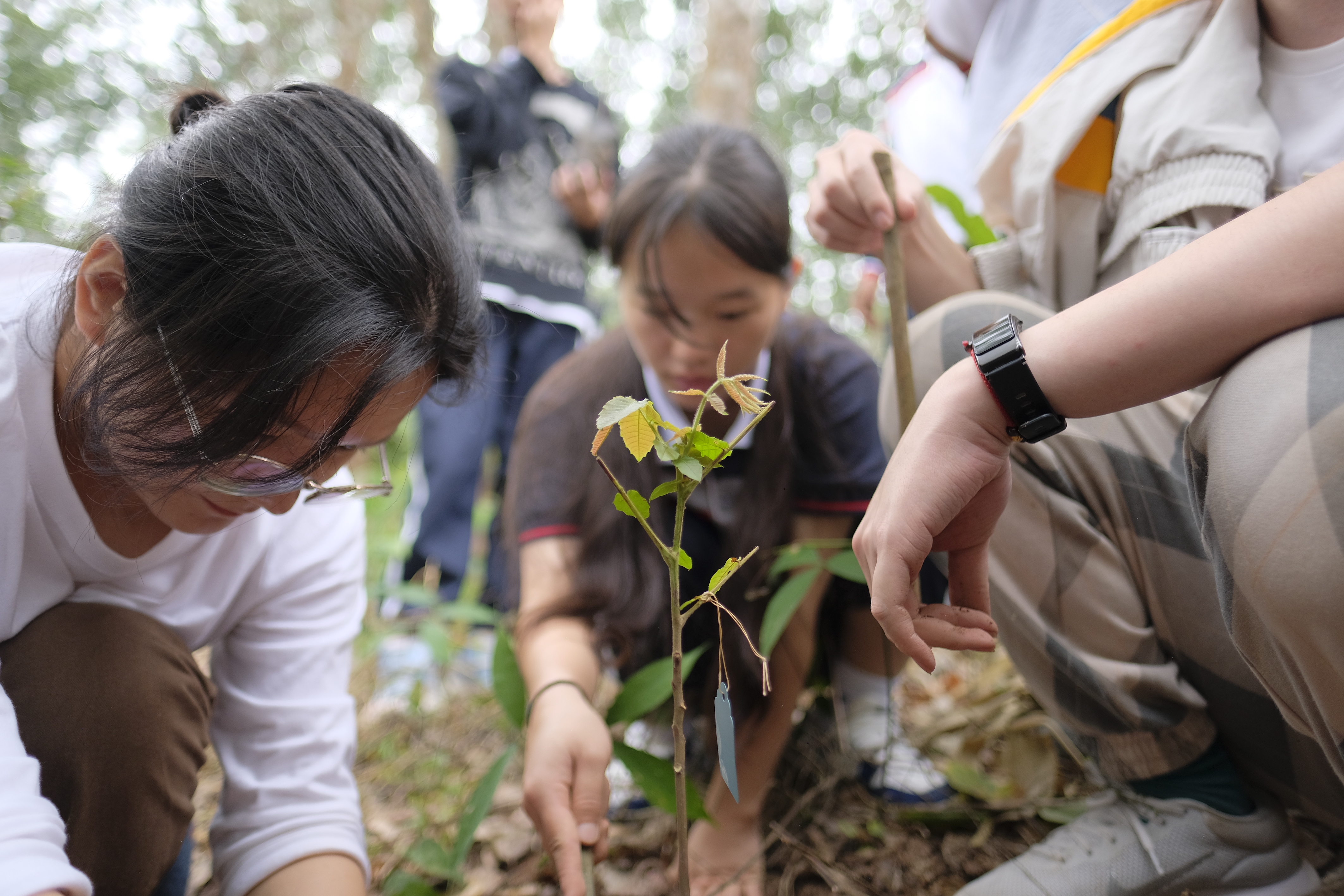
In this approach, 20–30 carefully selected pioneer and climax tree species are planted during the initial stage to establish a structural “framework” for forest succession. The flowers and fruits of these species attract birds, mammals, and other wildlife, which in turn disperse seeds from surrounding areas. This process accelerates natural regeneration and significantly enhances the biodiversity of the tropical rainforest.
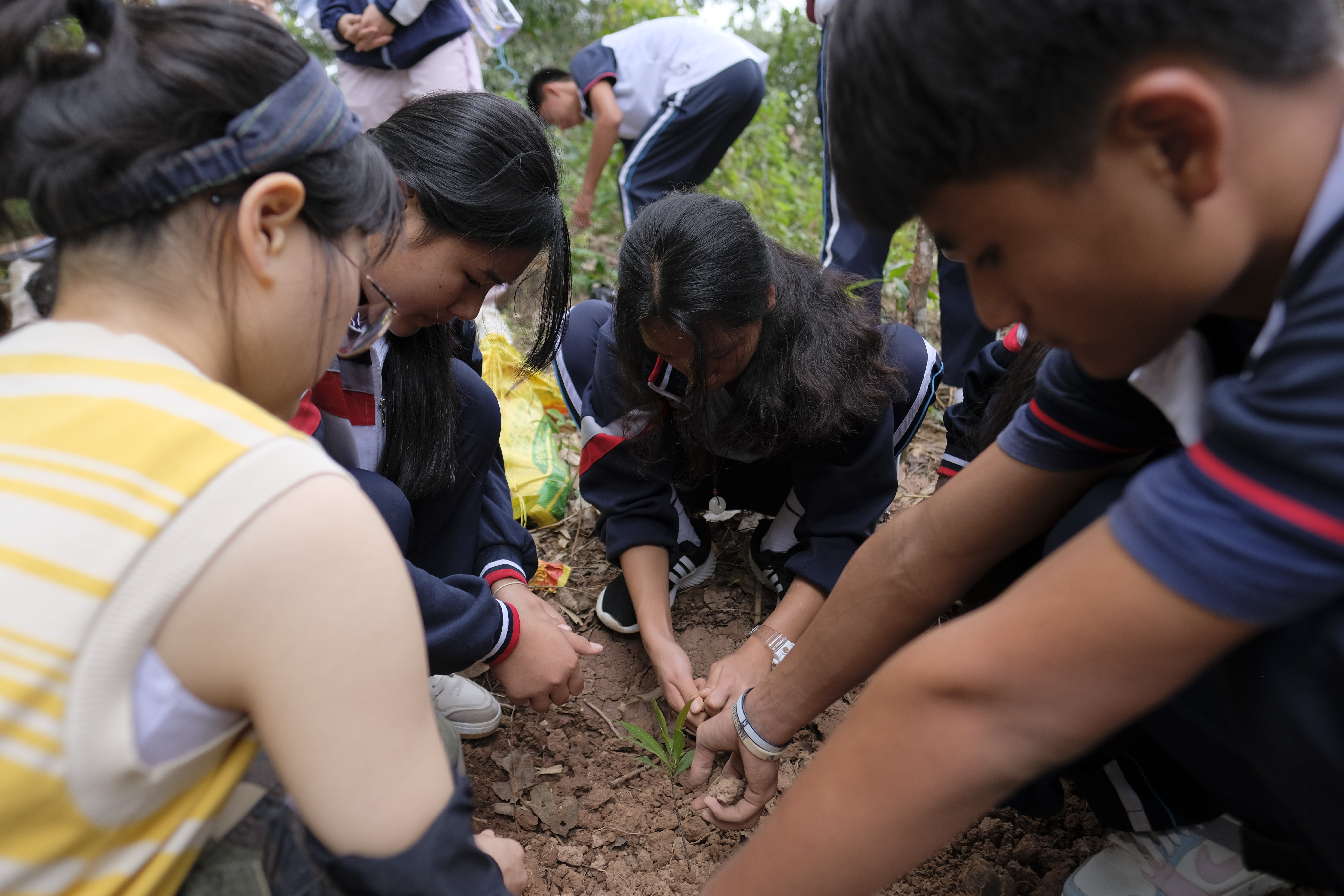
The project team has planted 363 seedlings across 10 native tree species, and the current seedling survival rate has reached 97 percent.
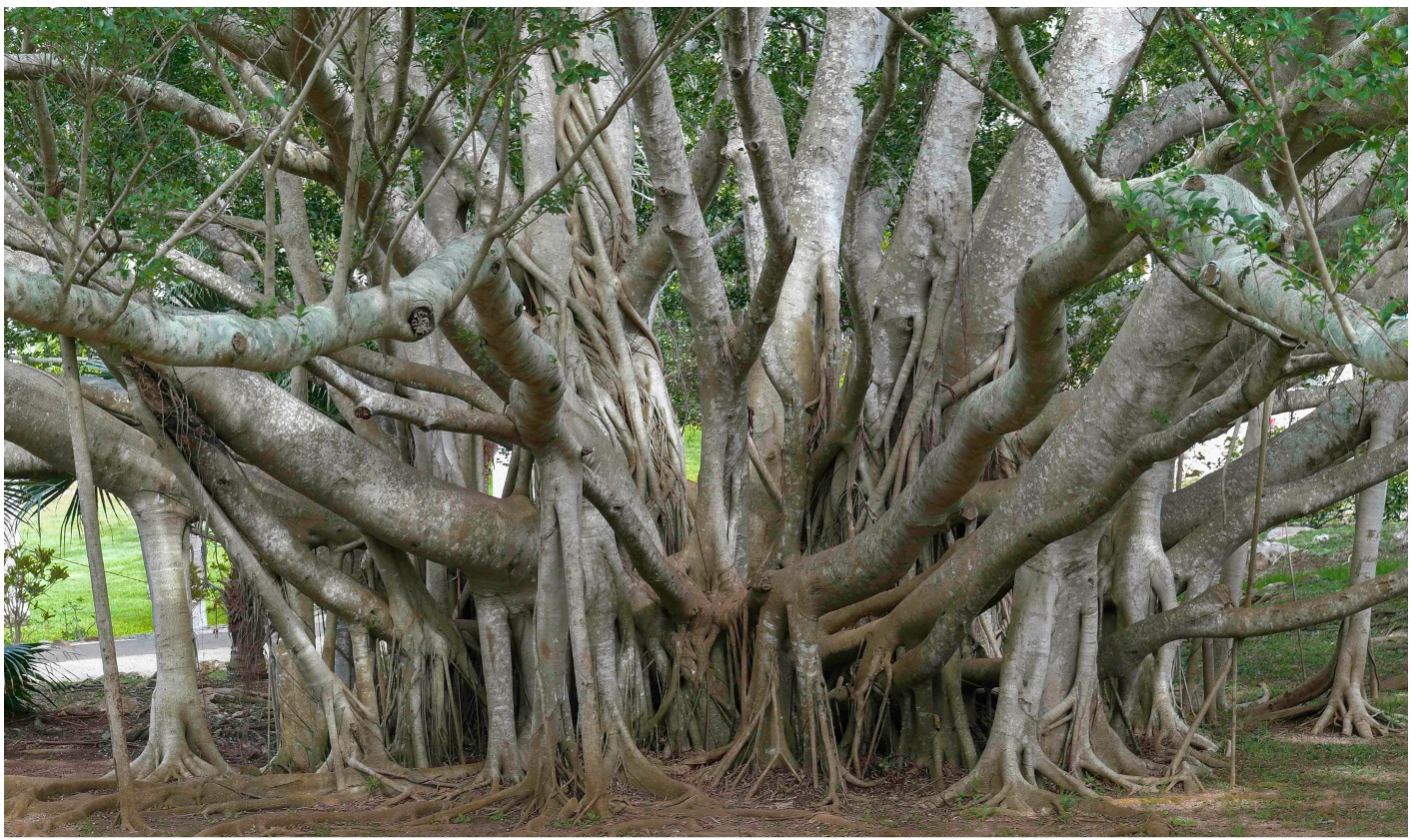
Applied Nucleation Restoration
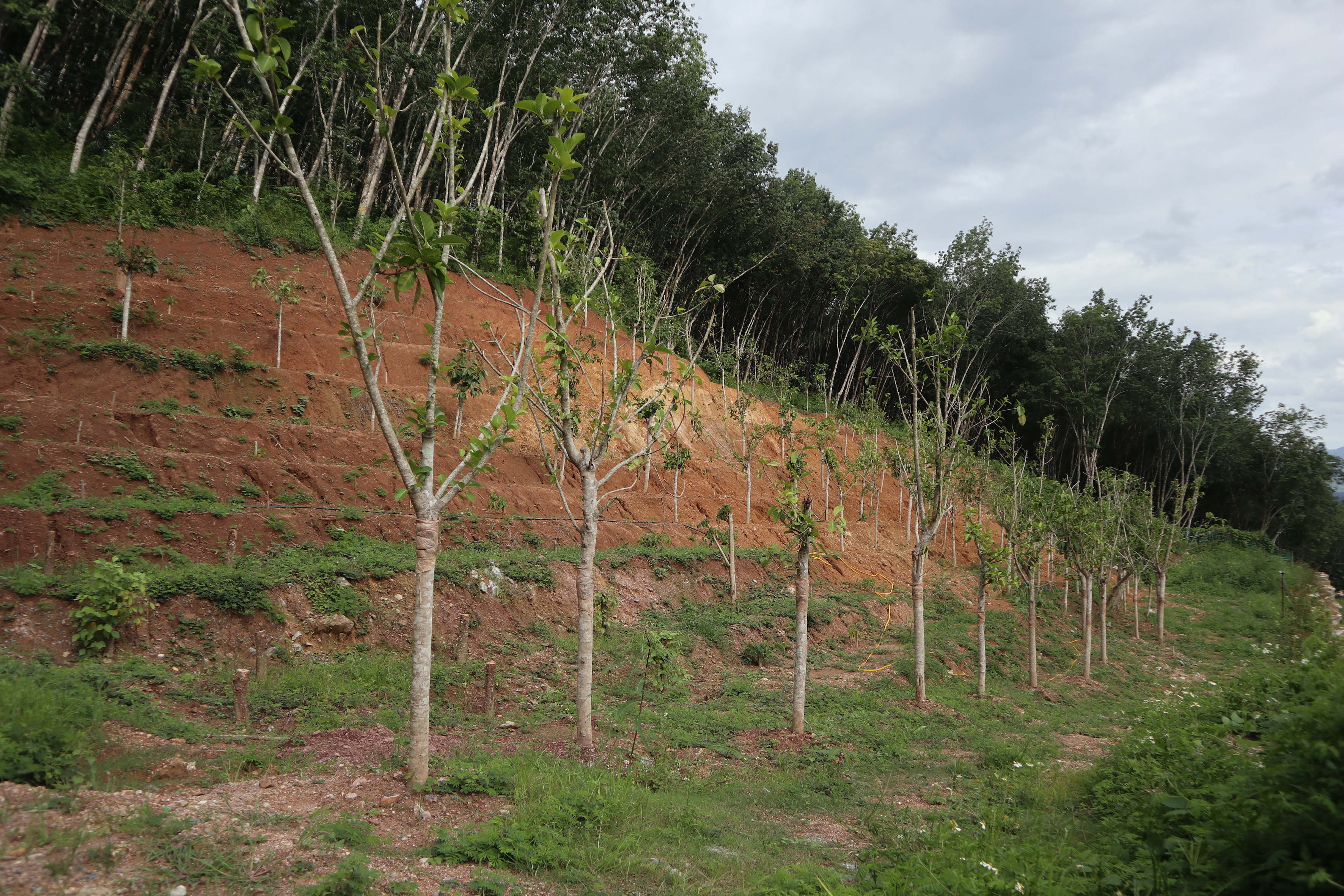
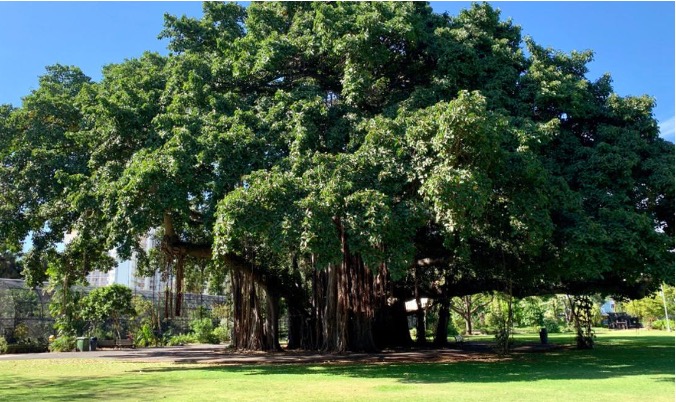
This method leverages the vigorousstrong root systems, high cutting survival rate, and natural grafting ability of Ficus species to gradually connect individual plants until they form a “forest from a single tree.” Beyond creating a unique and visually striking landscape, this approach effectively stabilizes soil and prevents erosion, contributing both to ecological restoration and to the resilience of the tropical ecosystem.
The project team carried out slope bio-restoration, planting more than one hundred individuals of native species such as Ficus vaccinioides, Ficus altissima, and Melicope pteleifolia.
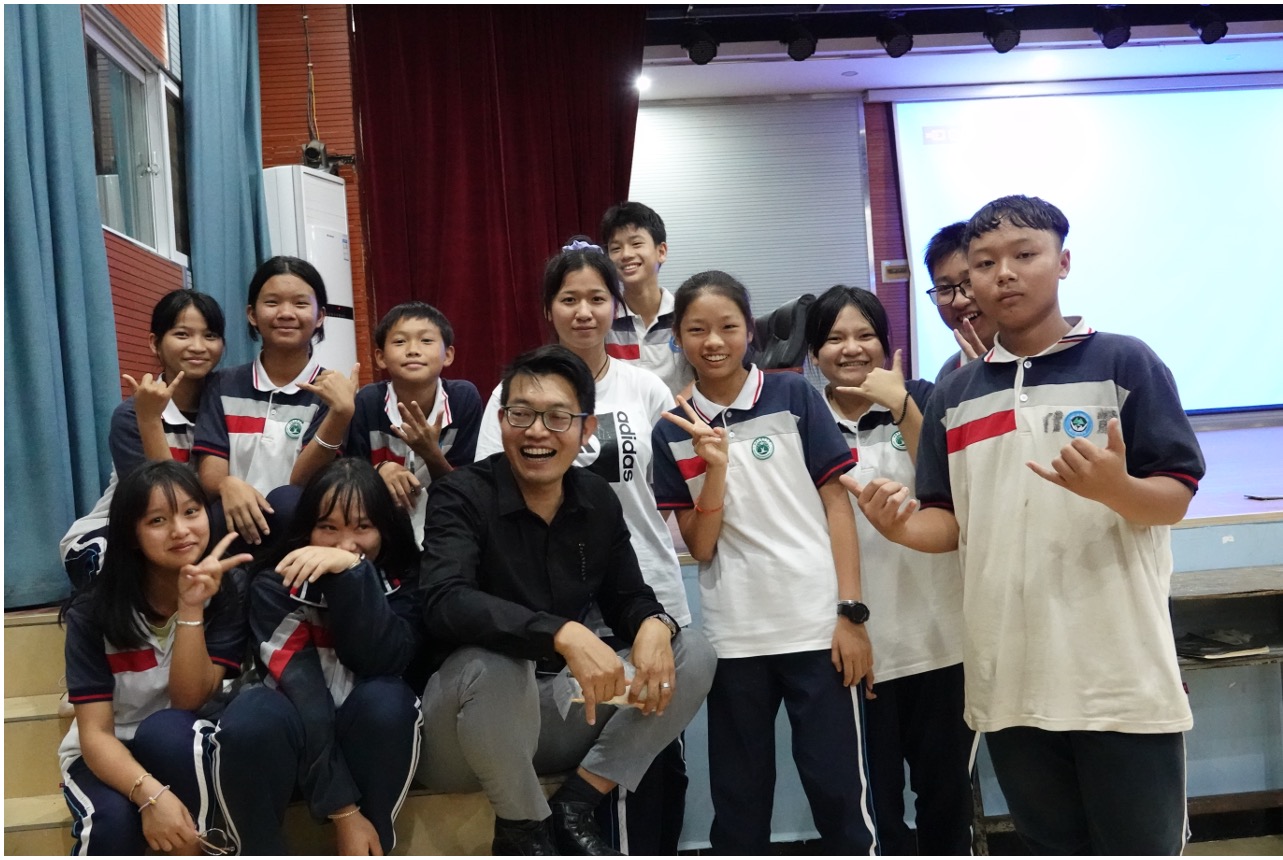
Community Co-benefit (Ongoing) – “Rainforest Restoration Club” at Menglun Middle School
Good to Nature established China’s first Rainforest Restoration Club at Menglun Middle School, adjacent to the restoration site.
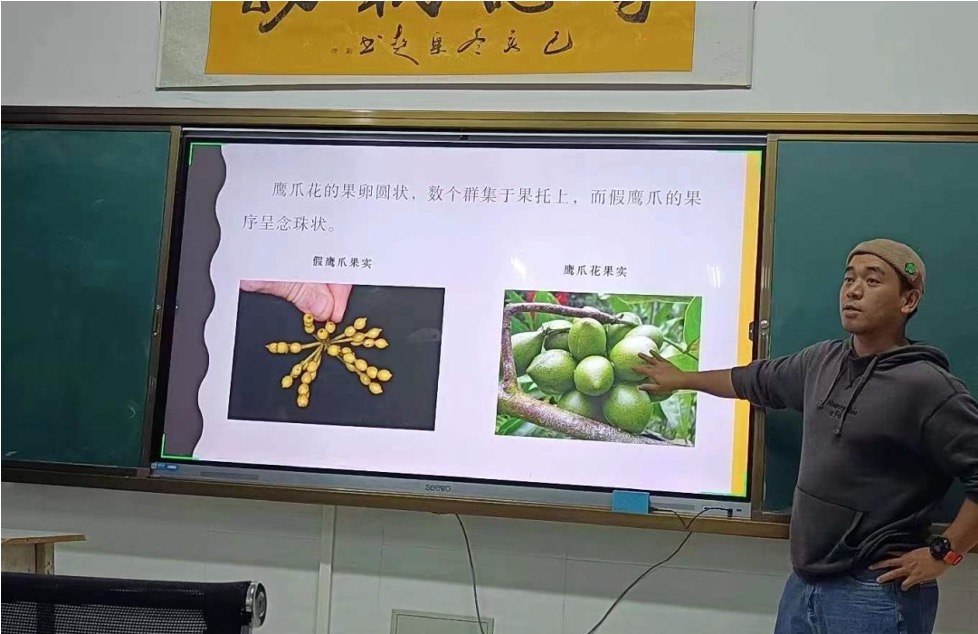
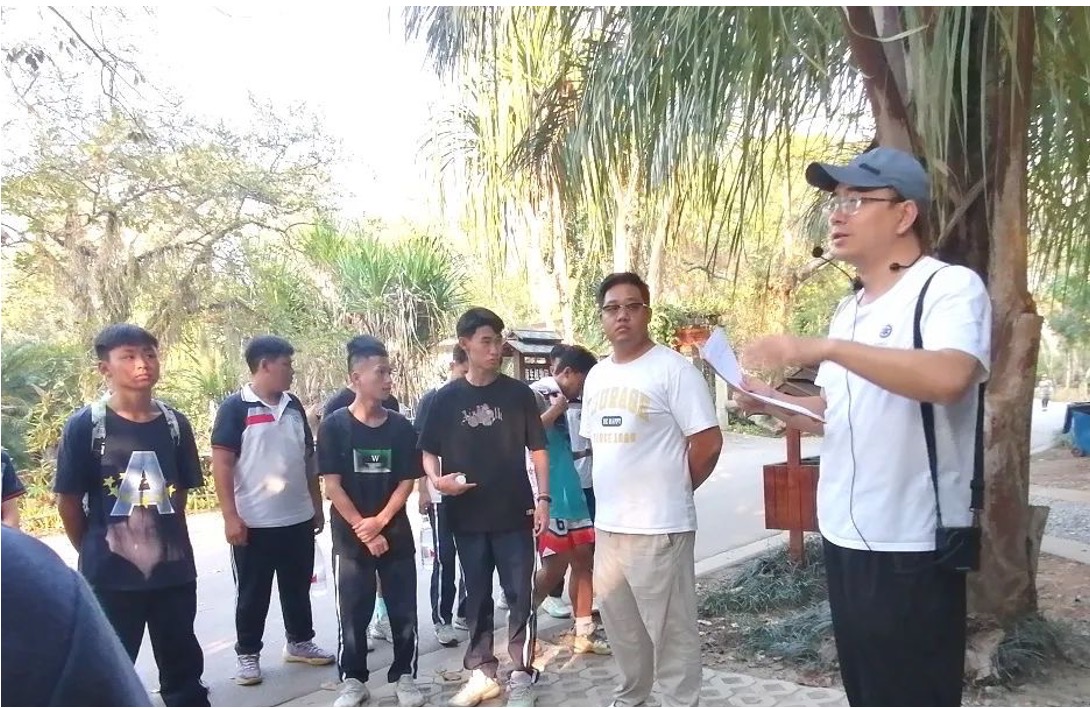
Through regular club activities, students learn about the rainforest, gain ecological knowledge, and build a sense of pride in their local rainforest habitats—empowering them to become future guardians of the rainforest.Participate in Scientific Experiment Activities
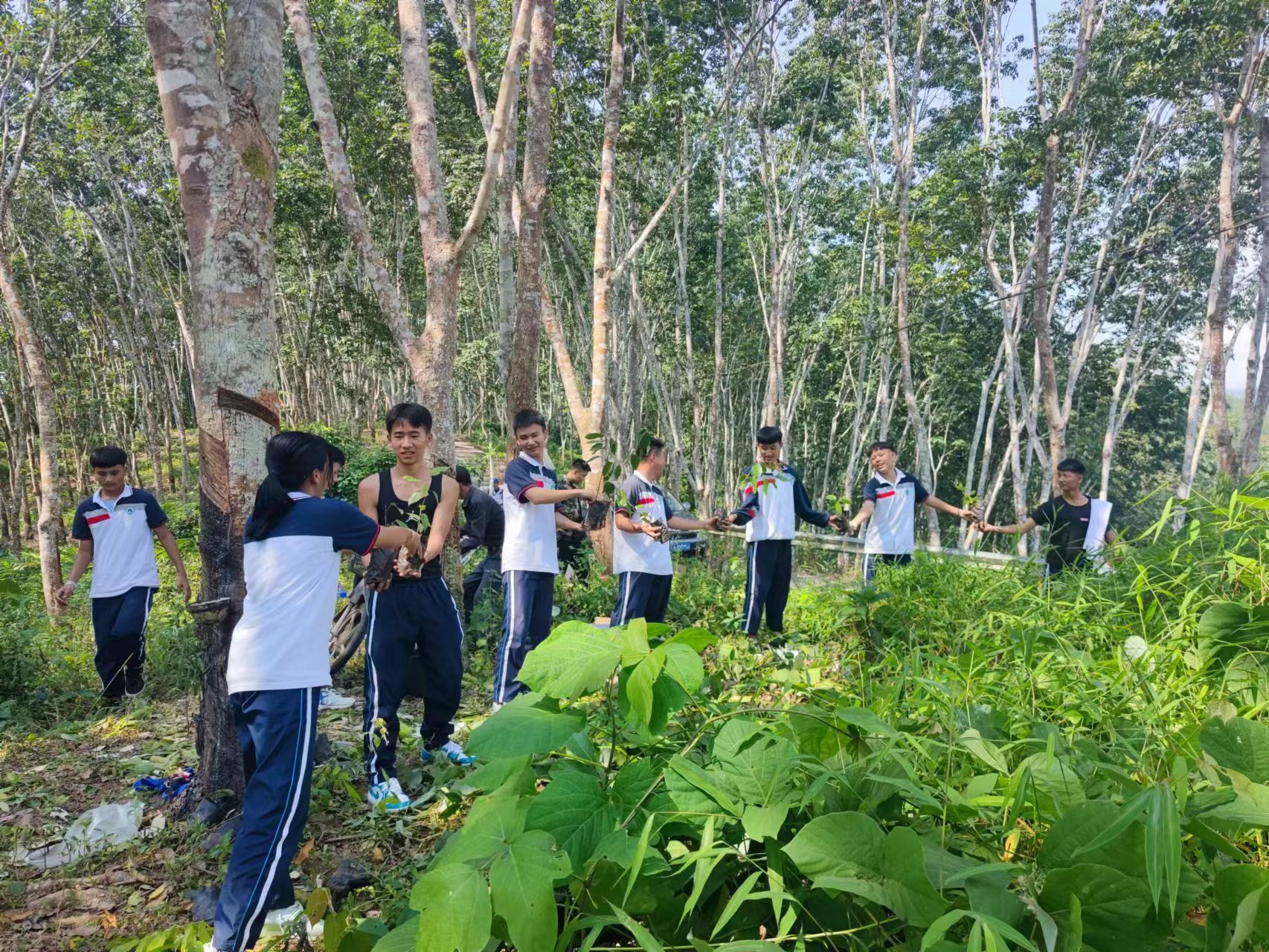
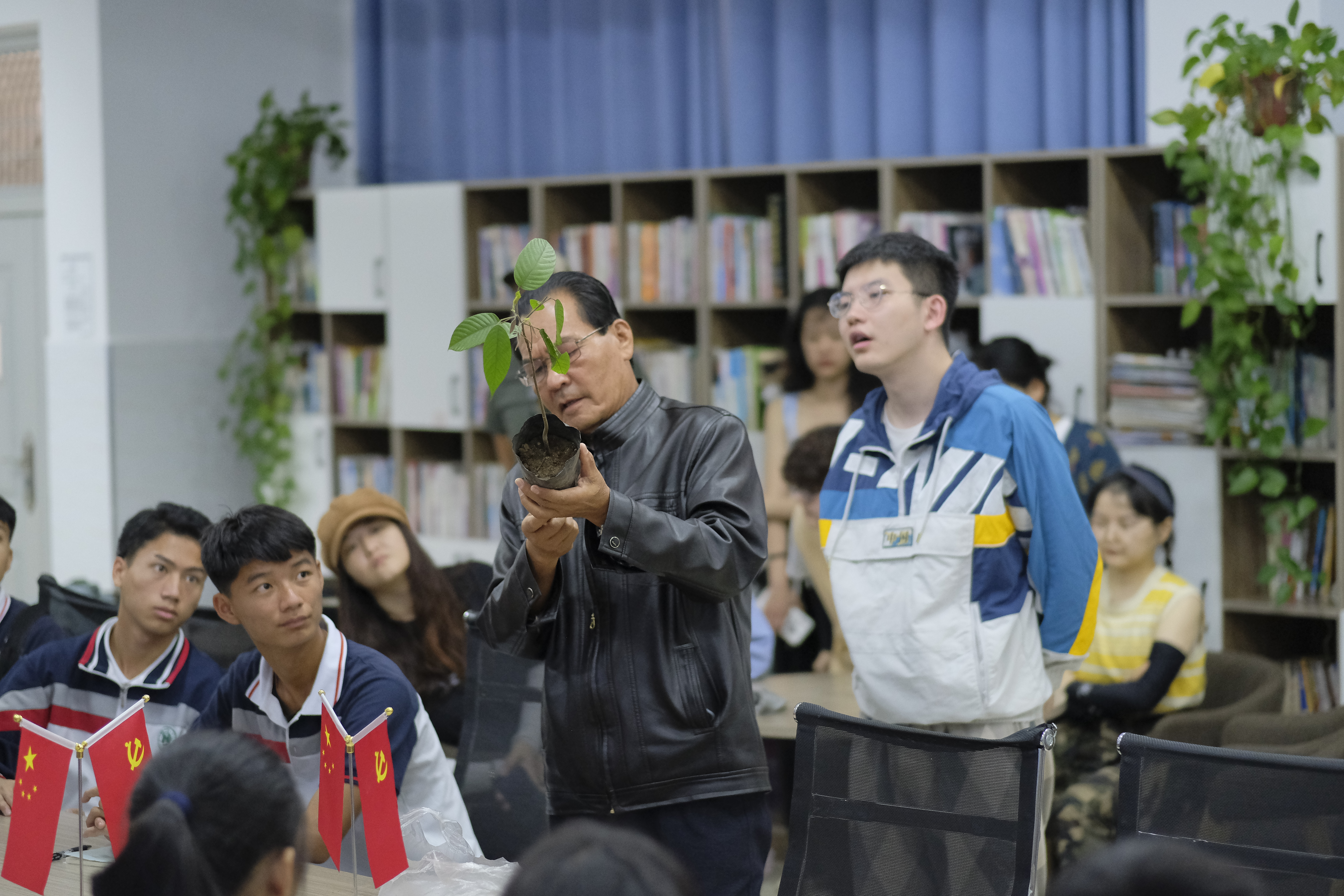
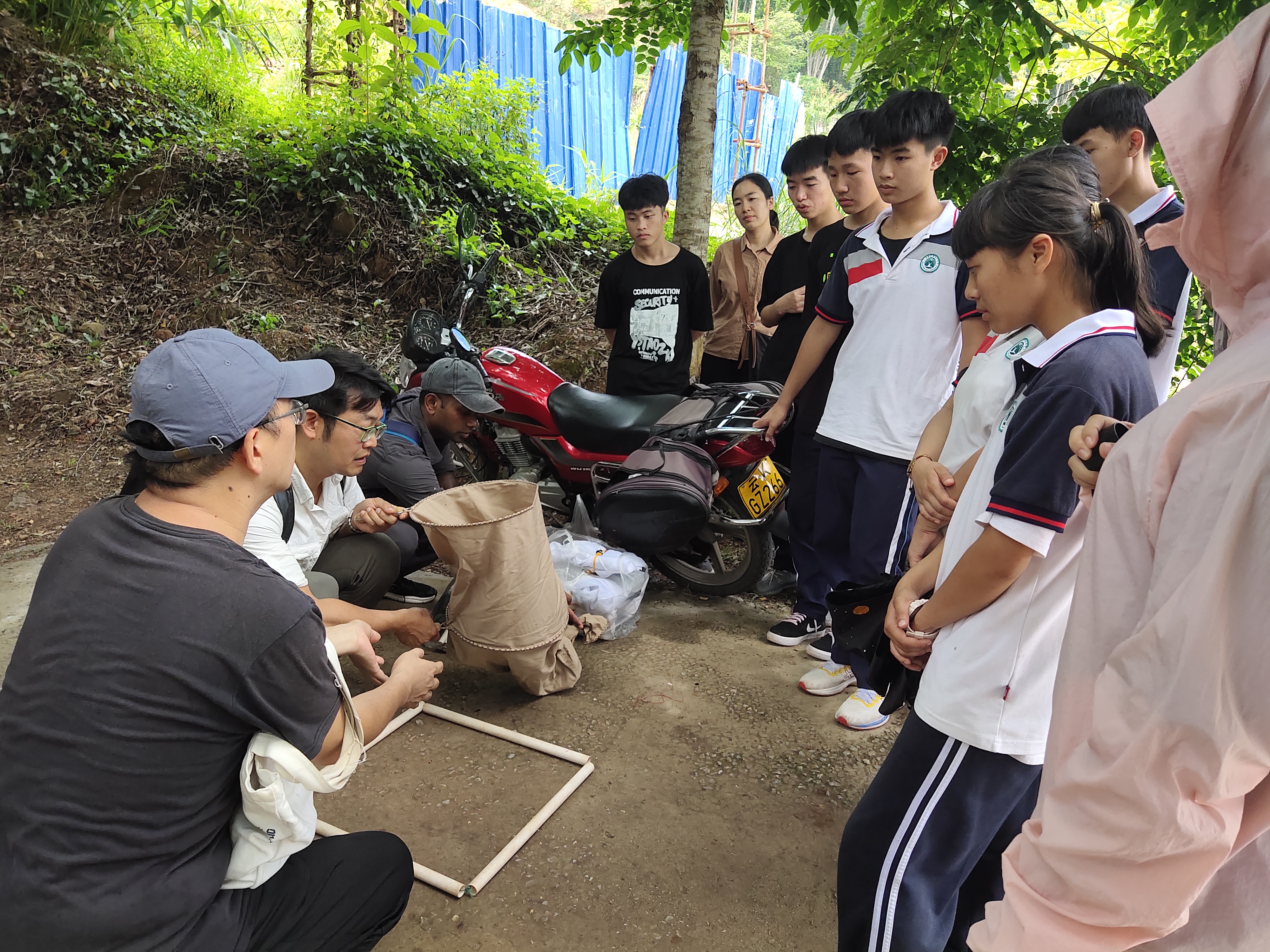
Scientists from the Xishuangbanna Tropical Botanical Garden, Chinese Academy of Sciences, lead local students in hands-on scientific experiments, helping them observe and understand the rainforest through a scientific lens while building knowledge and practical skills. Key activities include scientist-led lectures, biodiversity monitoring at the restoration site, framework species planting, and exchange programs connecting urban middle and university students.

Career Awareness and Educational Programs
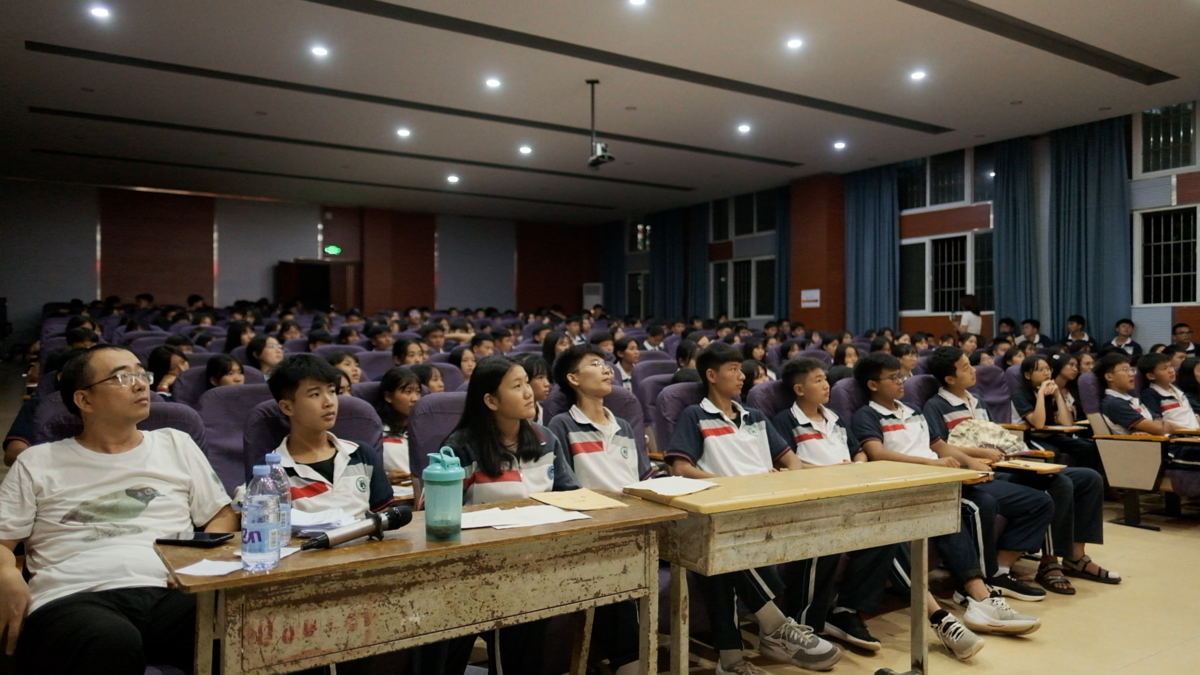
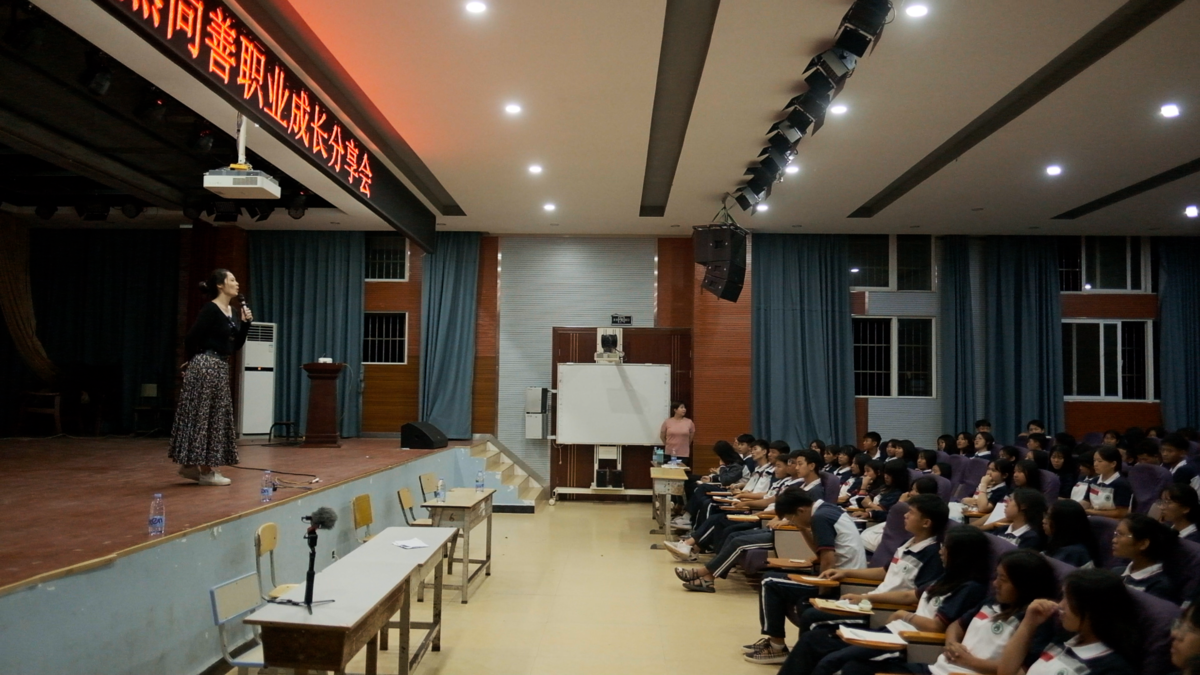
Good to Nature leverages the rainforest resources of Mengla County to develop project-based learning programs centered on locally valuable natural products. By integrating activities at the restoration site, the initiative creates a complete commercial value chain within an educational framework, allowing local students — after exploring the wider world — to realize that the rainforest itself is the ultimate treasure.
Social Participation — 「Good to Rainforest Festival」2023
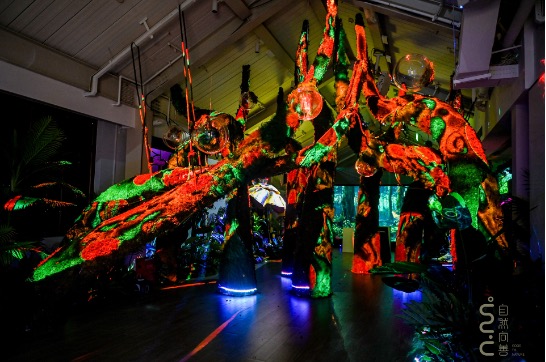
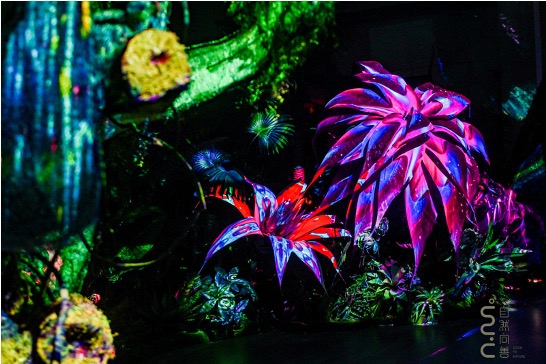
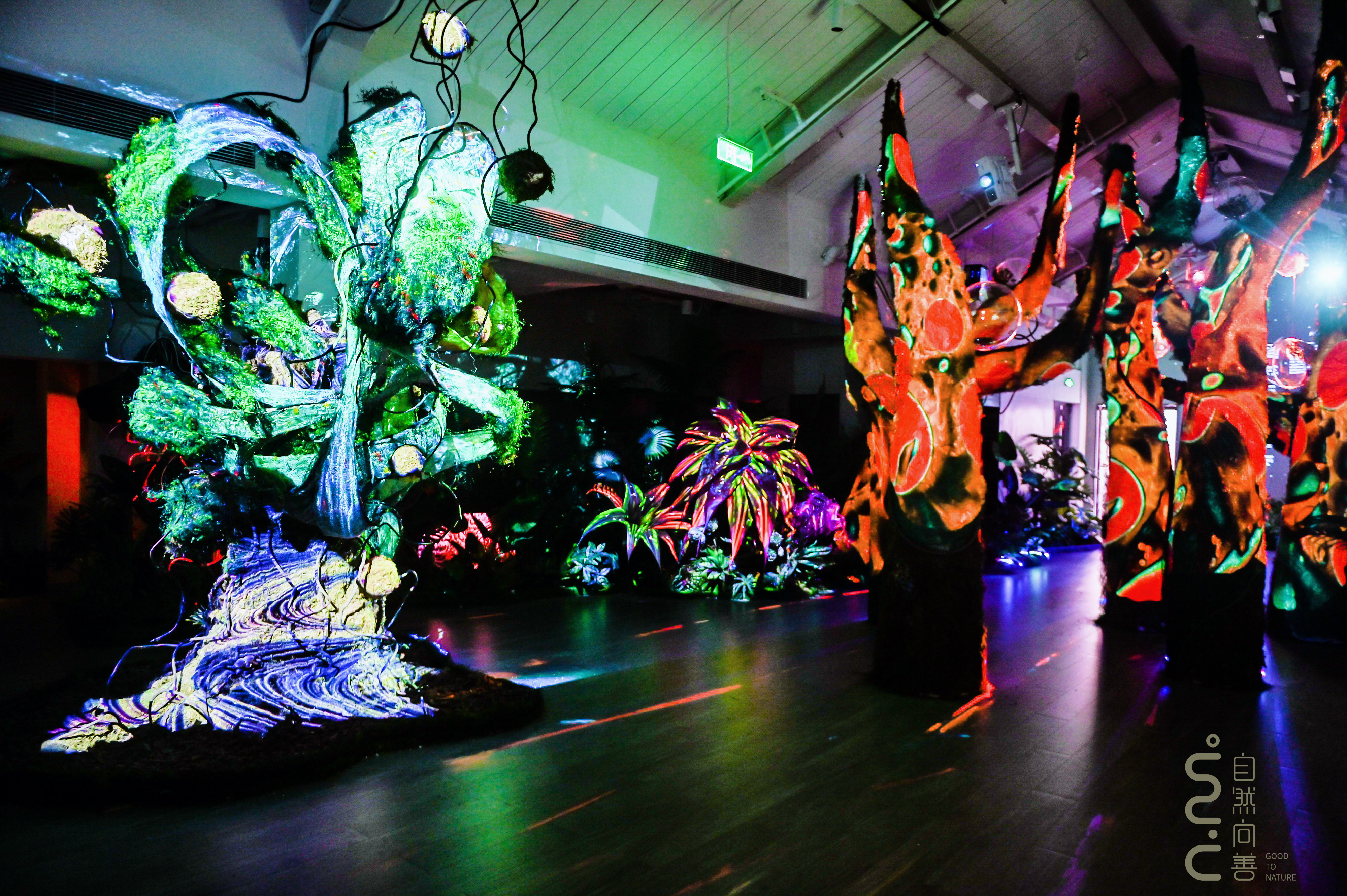
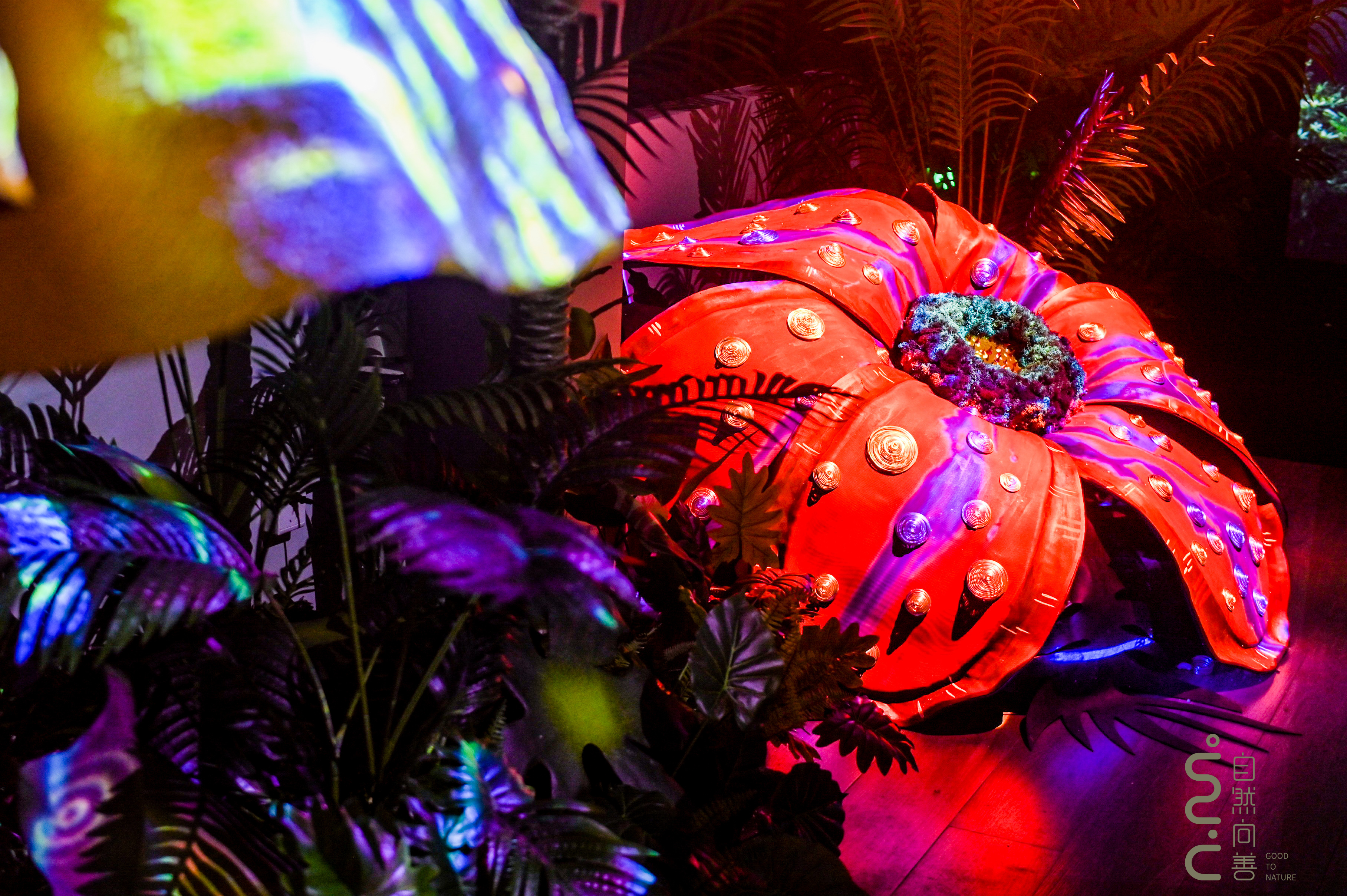
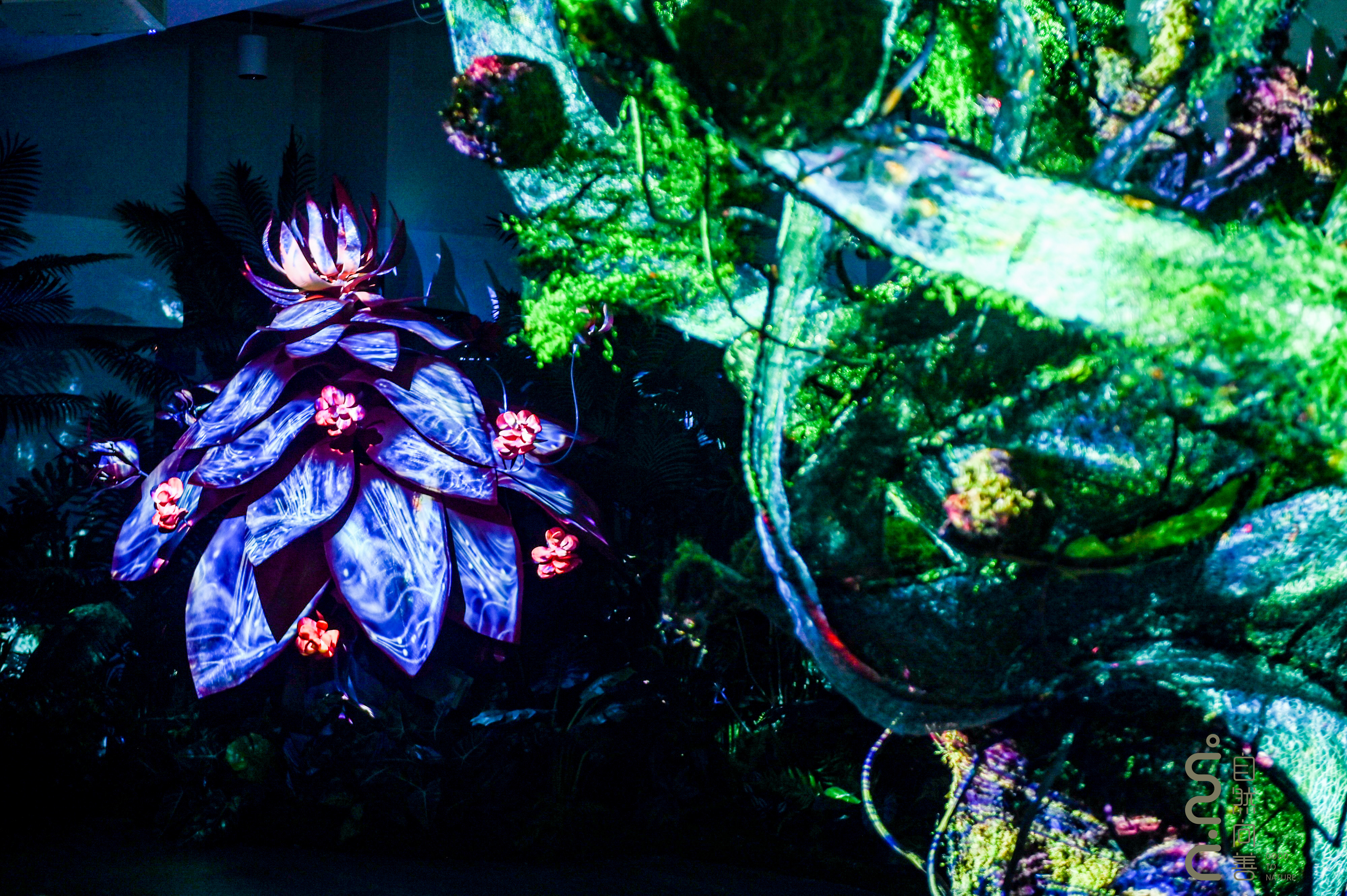
The large-scale environmental public art project launched by Good to Nature from June 21 to August 20, 2023 —— The Good to Rainforest Festival brought the wonders of tropical rainforests into the heart of the city, aiming to raise public awareness of their importance and encourage wider participation in ecological restoration and conservation. Through a variety of immersive activities — including the opening forum, rainforest storytelling cycling events, light art exhibitions, Global Rainforest Week, and summer urban camps for future rainforest guardians — the festival showcased the mysterious beauty of the rainforest to the public.
Summer City Camp
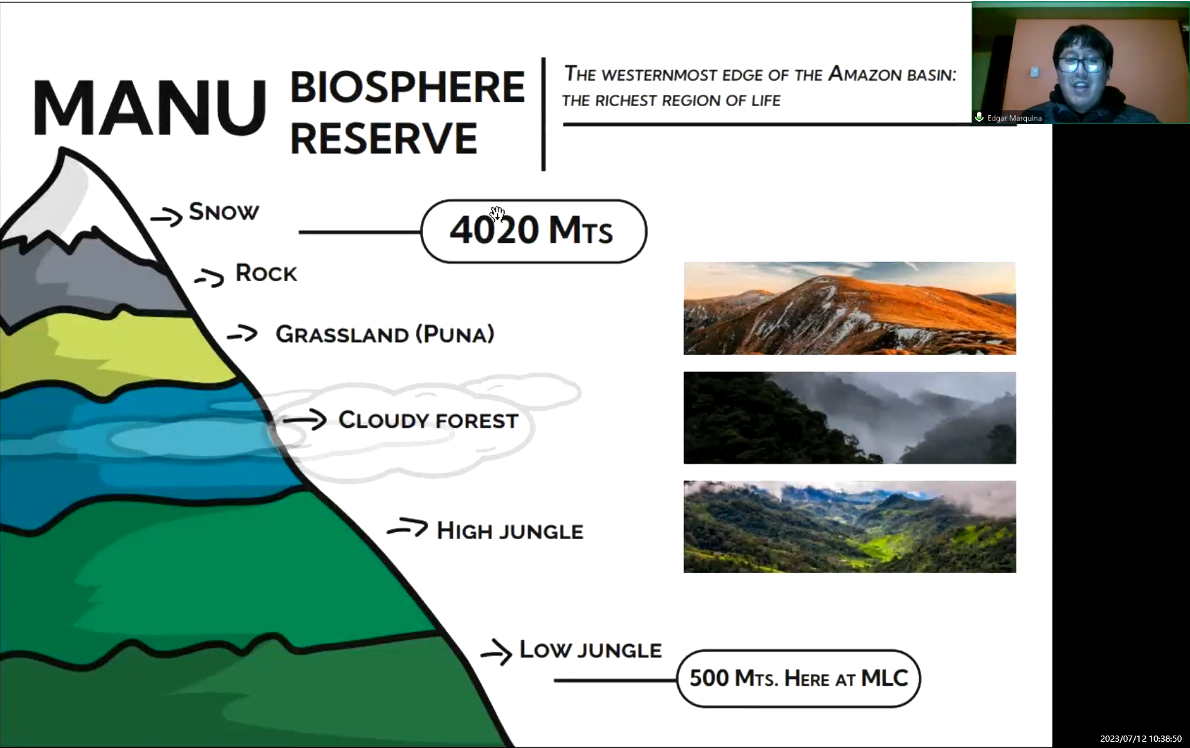
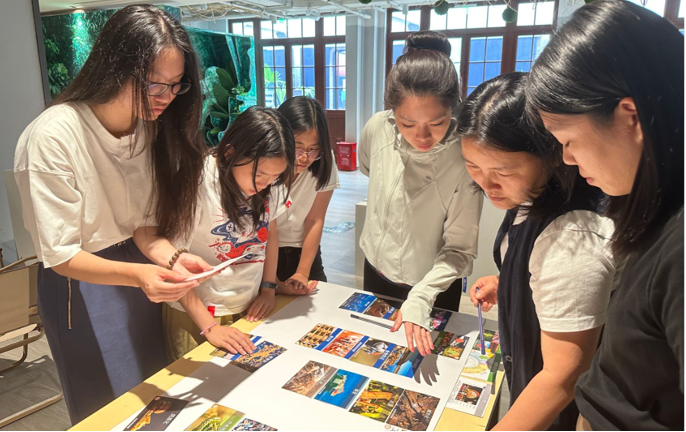
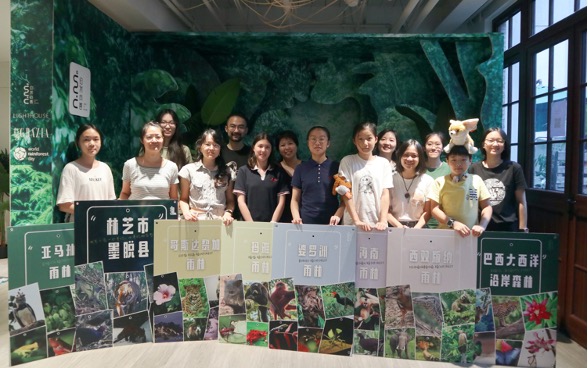
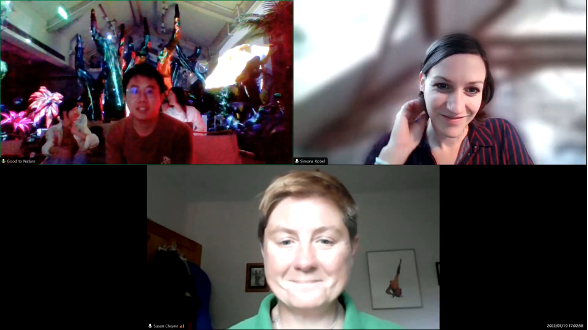
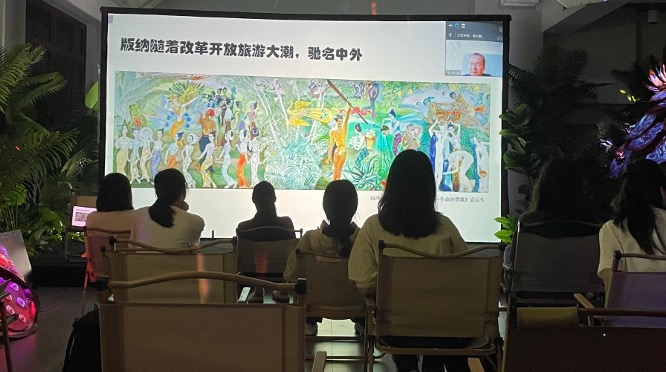
Rainforest experts from eight regions around the world delivered foundational lectures on their local rainforests during the “Good to Nature Rainforest Season” Summer City Camp.
Their sessions covered rainforest biodiversity, restoration stories and methods, and the ways local communities depend on and protect these ecosystems.
Students then applied what they had learned by serving as guides and interpreters for visitors in the Global Rainforest Week exhibition area.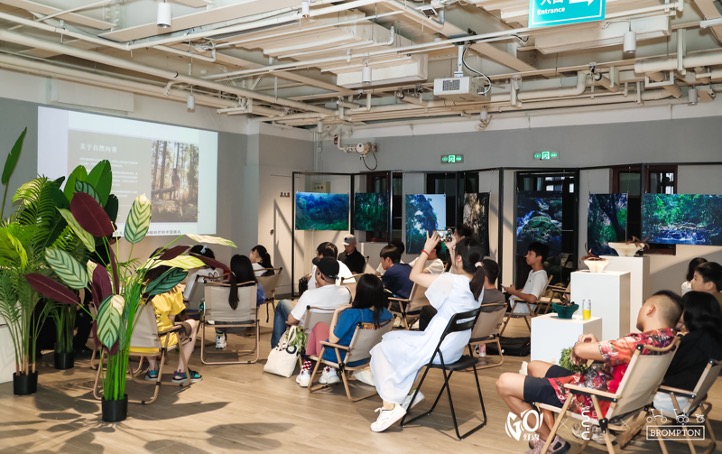
Project Videos

 沪公网安备31010402009361号