
Community Co-benefit
To promote community co-development alongside ecological restoration, the project strengthens Huilong Village’s capacity for eco-tourism, developing a complete and sustainable system that integrates activity design, cultural interpretation, sales channels, and service support. Efforts are advanced through four main initiatives:
Development of Eco-Cultural Study Routes
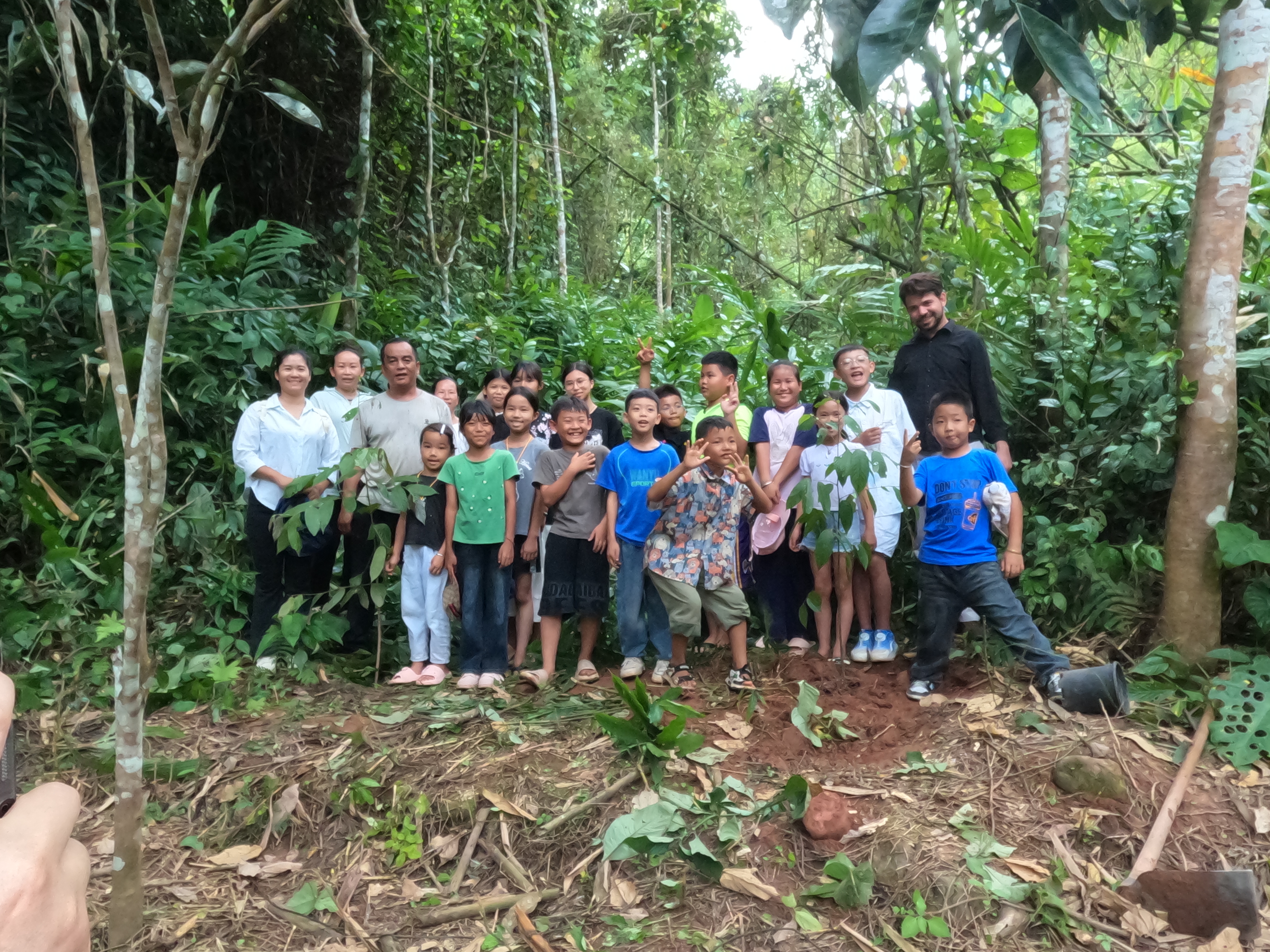
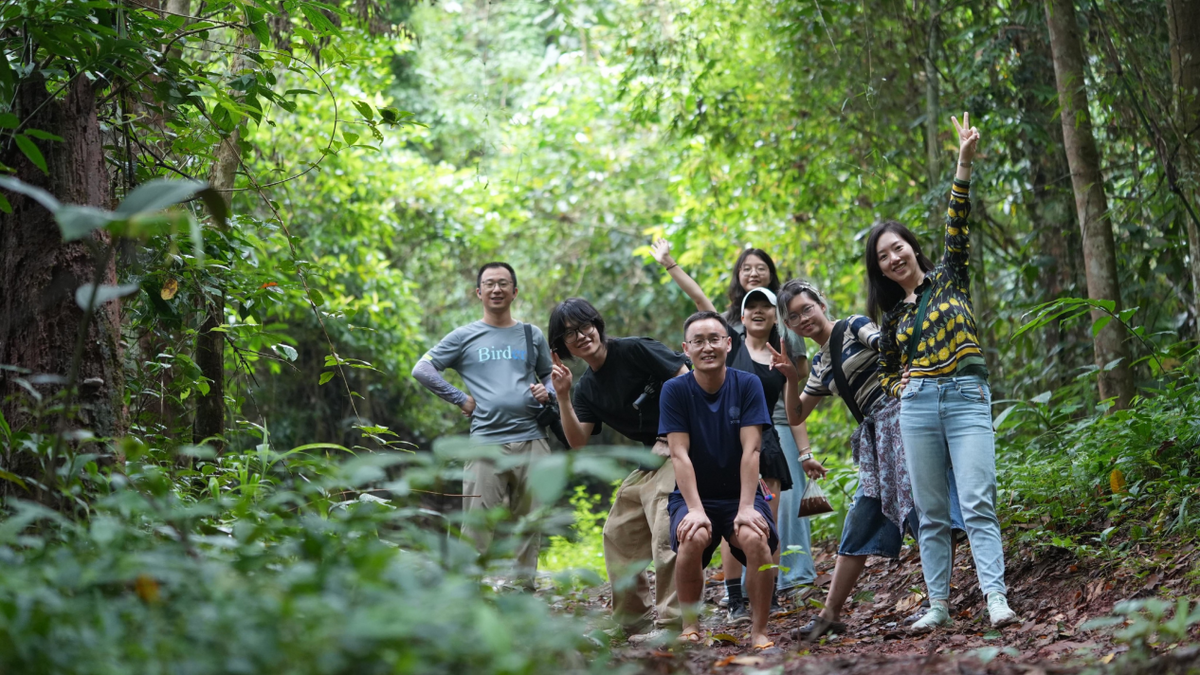
Focusing on rainforest restoration and Hani ethnic culture, the project has designed locally distinctive educational routes. Once fully developed, these routes will be operated independently by village residents, enabling self-sustaining community income generation.
Hani Cultural Experience Design
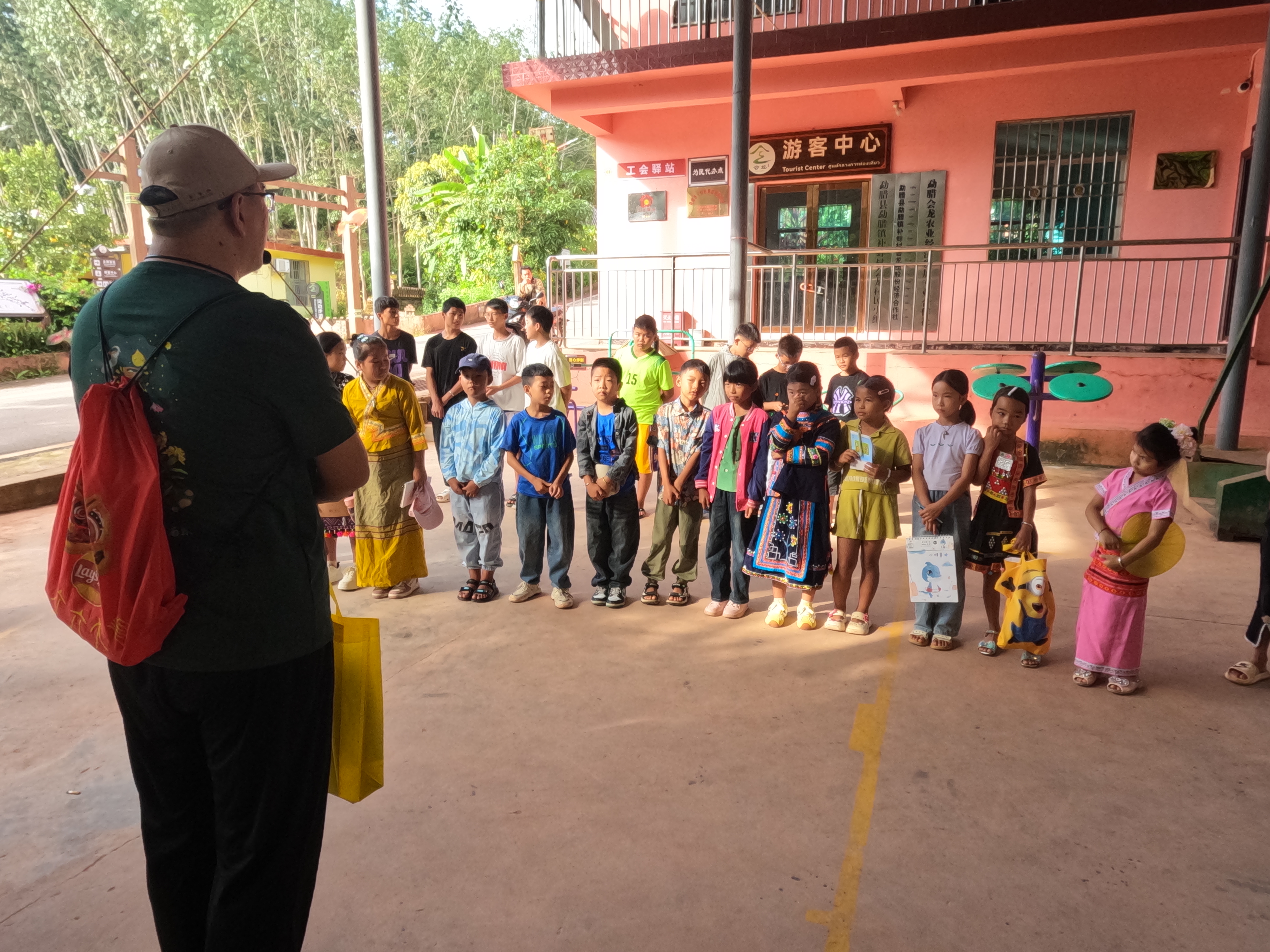
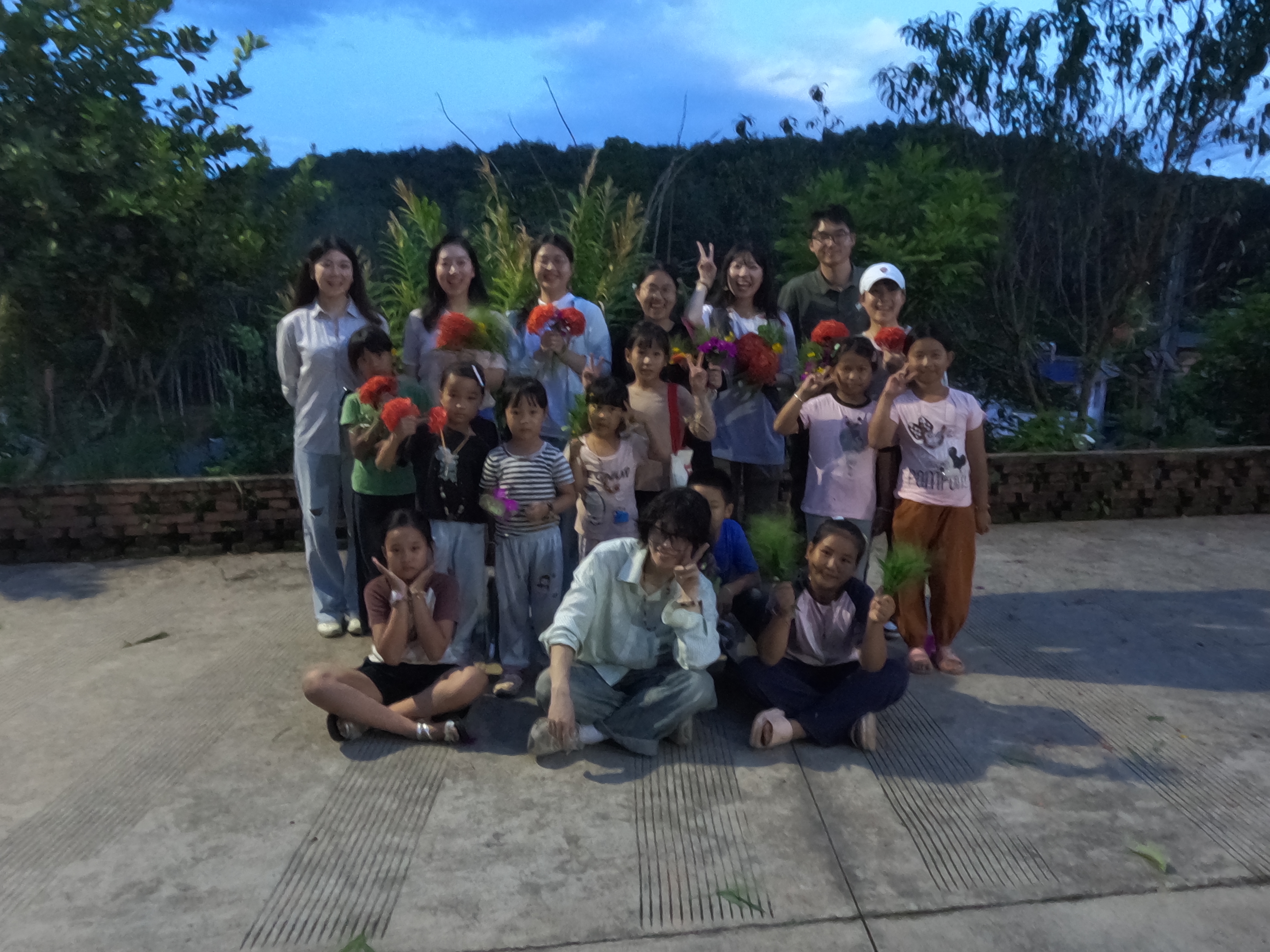
Culturally authentic events rooted in Hani ethnic traditions are being developed to enhance the village’s tourism appeal. These initiatives aim to revitalize indigenous culture, strengthen community pride and identity, and foster cultural confidence among local residents.

Establishment of the Eco-Art Workshop
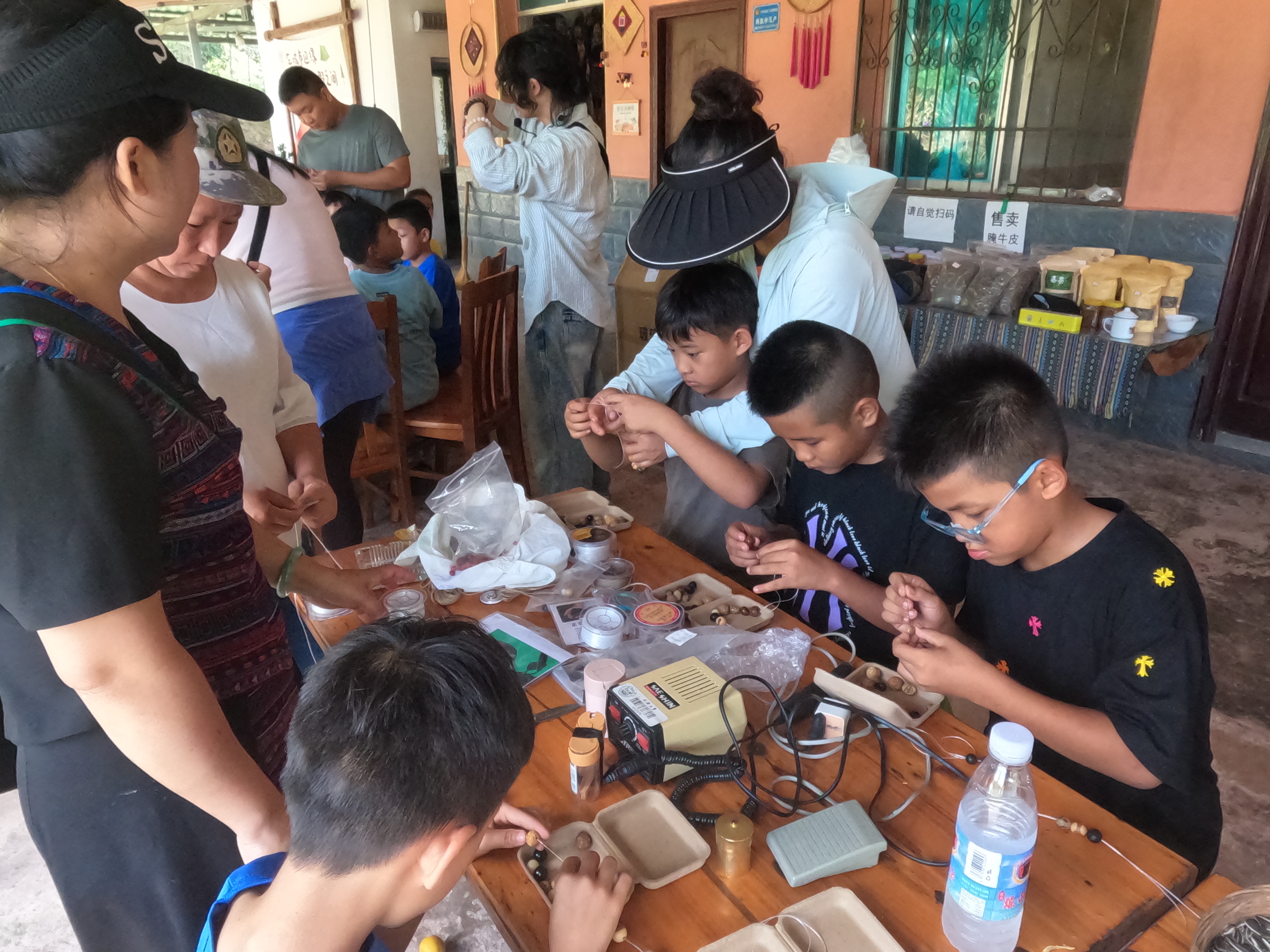
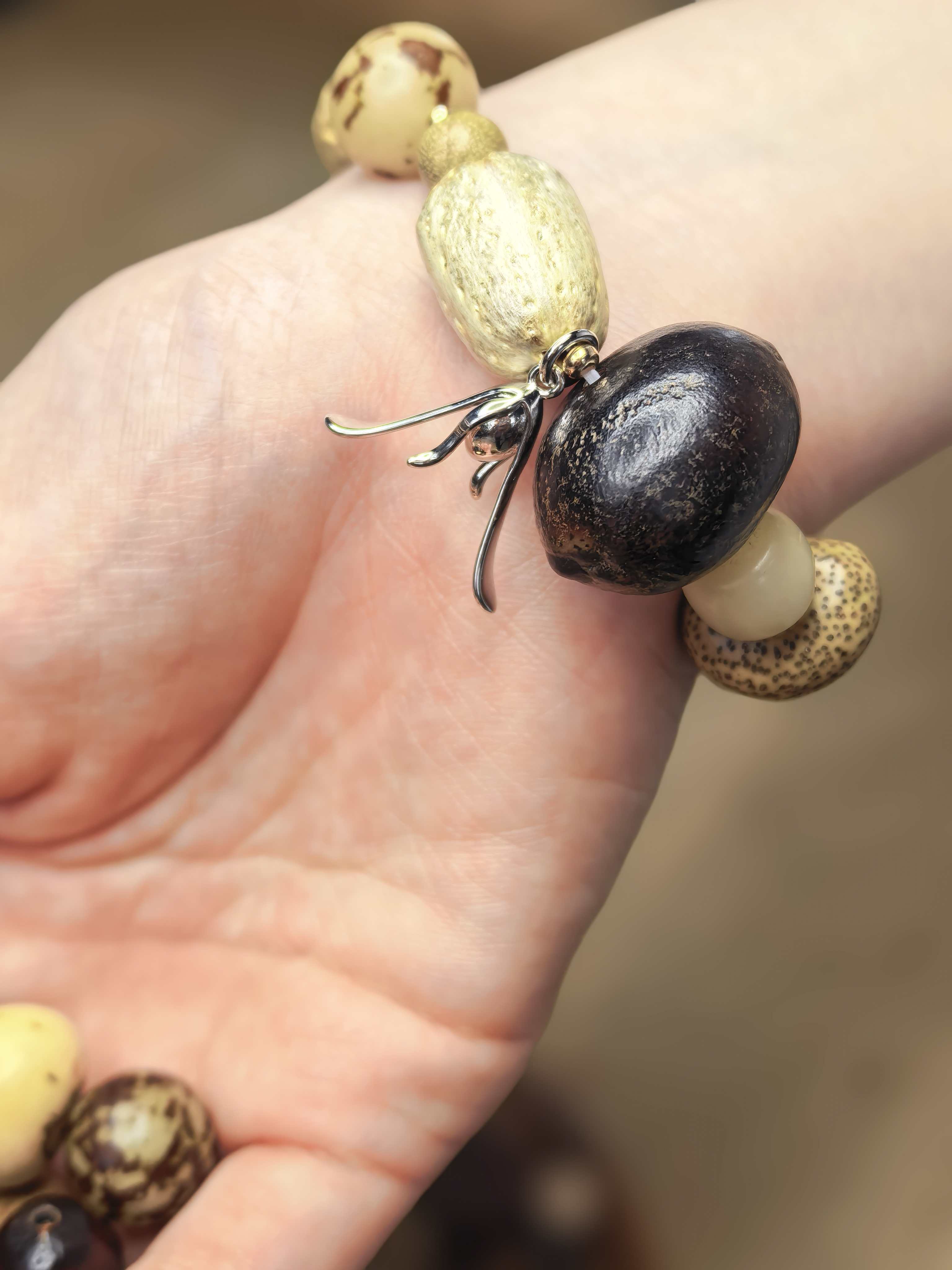
The Eco-Art Workshop, now operational, engages local artisans to transform traditional ecological knowledge andcultural materials into eco-art souvenirs. This enhances the visitor experience while extending the economic value chain of local tourism.


Development of Tourism Sales Channels
By connecting with major online travel platforms such as Trip.com, the project expands sales channels for local tourism products and services, increasing market reach, visitor inflow, and income conversion for the community.
Social Participation
University Collaboration in Rural Co-Development: The project has partnered with the College of Design and Innovation of Tongji University, leveraging Huilong Village’s local resources to jointly develop hands-on art experiences that combine cultural authenticity with practical implementation. This collaboration successfully resulted in the establishment of the Eco-Art Workshop, fostering deep integration between art and rural practice.
Corporate Partnerships and Monthly Donation Support for Rural Co-Development: The project actively expands corporate partnerships and monthly donation programs, channeling continuous social resources and funding into Huilong Village’s ecological restoration and community development. These efforts help build a sustainable mechanism for long-term rural co-development.


 沪公网安备31010402009361号