

- …
- …
Ecological Restoration of Prosopis juliflora (Invasive Mesquite) in Kenya
Project Overview
Taita Taveta County located in southeastern Kenya between Tsavo East and Tsavo West National Parks. It is one of the country’s most biodiversity-rich ecological corridors. About 62% of its area is protected under national parks, with the remainder consisting of hills, semi-arid farmland, and communal rangelands.
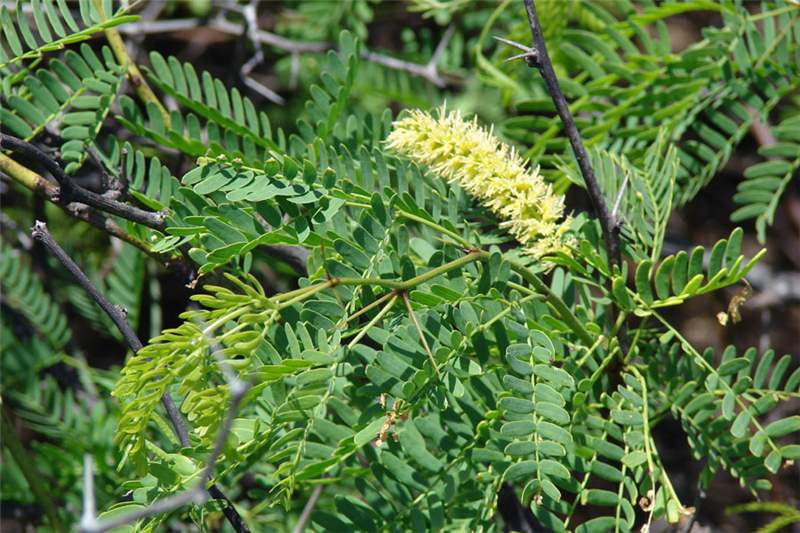
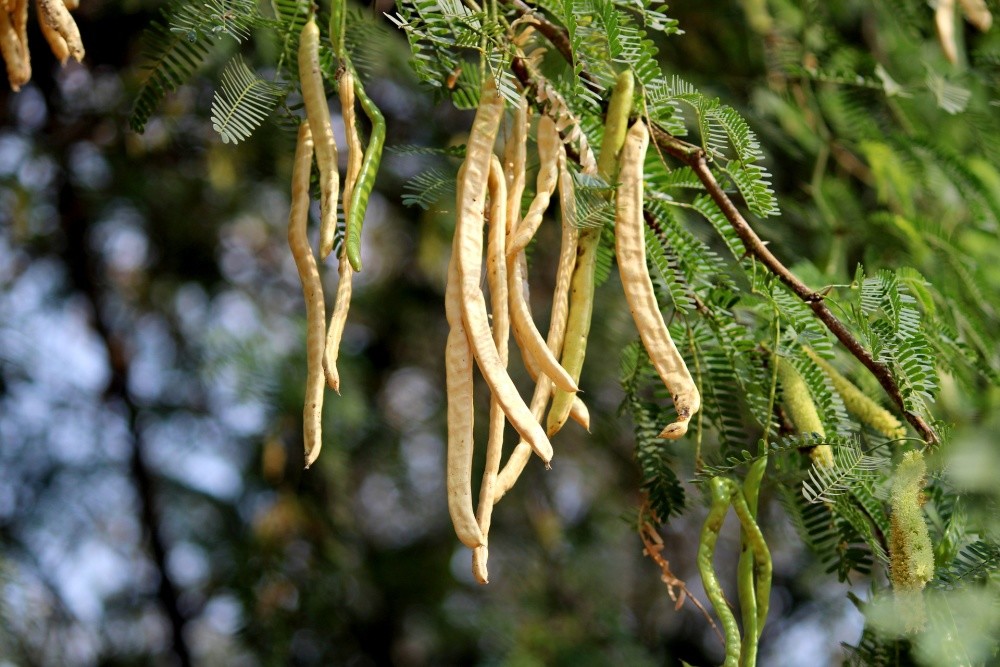
However, prolonged deforestation, overgrazing, and the invasion of the alien species Prosopis juliflora (locally known as Mathenge) have led to severe degradation of over 20–25% of local rangelands and wetlands. Grassland productivity has significantly declined, soil salinization and hydrological disruption are intensifying, and both ecosystem functions and local livelihoods face dual threats.
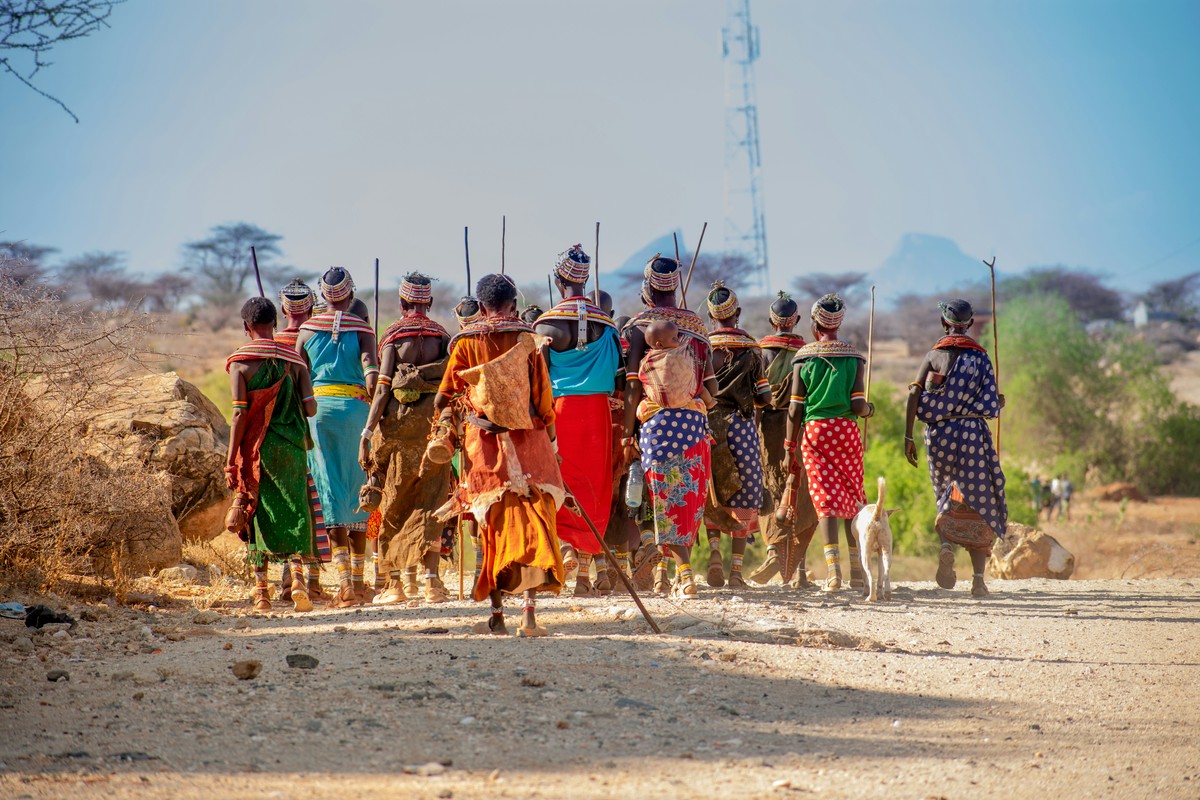
Meanwhile, the Taita, Taveta, and Sagalla communities possess rich traditional cultural and artisanal heritage—especially in woodcarving, basketry, and beadwork—passed down through generations. Women and youth are central to these economic activities, providing a strong socio-cultural foundation for combining “ecological restoration + livelihood enhancement.”
Based on this, MFAI and Good to Nature jointly initiated the project to explore and test pathways that may inform a replicable model of Prosopis management and co-benefit development through scientific restoration, community empowerment, and international collaboration—achieving long-term synergy between Scientific Ecological Restoration, Community Co-benefit and Collaborative Social Participation.
Scientific Ecological Restoration
The project is grounded in science, using systematic assessment and pilot testing to identify the most suitable approaches for managing Prosopis juliflora in the local context.
We aim to develop a verifiable, replicable, and locally adapted restoration model through the following actions:- Establish an interdisciplinary scientific team to develop a restoration methodology.
- Conduct baseline assessments on invasion extent, vegetation, soil conditions, and hydrological characteristics.
- Test multiple intervention pathways in pilot areas, including physical removal, biomass utilization, and native vegetation restoration.
- Build a long-term monitoring system to track changes in vegetation recovery, soil health, hydrological function, and biodiversity.
Community Co-benefit
Our approach is centered on the principle of “restoration as livelihood,” enabling communities to shift from passive recipients to active co-creators:
- Conduct socio-economic baseline assessments: Understand community structure, income sources, labor distribution, and resource use to inform targeted and effective support.
- Establish a Community Steering Committee: Comprised of village leaders, women’s groups, and youth cooperatives, the committee jointly shapes project direction, oversees benefit-sharing, and ensures transparent governance.
- Develop sustainable livelihood pathways:
- Explore small-scale, ecologically safe uses of Prosopis biomass—such as craft materials and biochar—ensuring environmental integrity, economic feasibility, and community acceptance.
- Implement women and youth empowerment programs, including training in woodworking, biochar production, marketing, ecological monitoring, and creative handicrafts, to build a green employment ecosystem.
Through participatory decision-making and co-benefit mechanisms, we aim to position the community as the primary driver of the project, creating a positive cycle in which: ecological restoration improves environmental quality → new livelihoods enhance well-being → the community reinvests in long-term ecological protection.

Social Participation and International Collaboration
The project enables the public, enterprises, research institutions, and international partners to jointly participate in the restoration process through a multi-layered societal engagement mechanism:
- Exploration of diversified financing mechanisms: Building on the foundations established during the pilot phase, the project will progressively attract support from international organizations, corporate ESG investment, public fundraising, and impact investment, creating a long-term sustainable financing pool for ecological protection.
- Mobilizing public and market participation:
- Develop a “urban consumption × ecosystem services” linkage model that allows the public to support restoration through product value chains.
- Introduce co-created products and eco-tourism experiences to make ecological value visible, tangible, and participatory.
- International outreach and education activities:
- Produce bilingual documentaries, short videos, and school or corporate exhibitions to expand global awareness.
- Integrate local cultural events to enhance public engagement.
- Through Good to Nature’s international network, launch the “Chill the Earth – Kenya Chapter” public campaign, inviting more people to take part in ecological restoration.
沪公网安备31010402009361号