


Initial Success in the “Forest–Tea Coexistence” Model in Xishuangbanna — Achieving a 96% Transplant Survival Rate
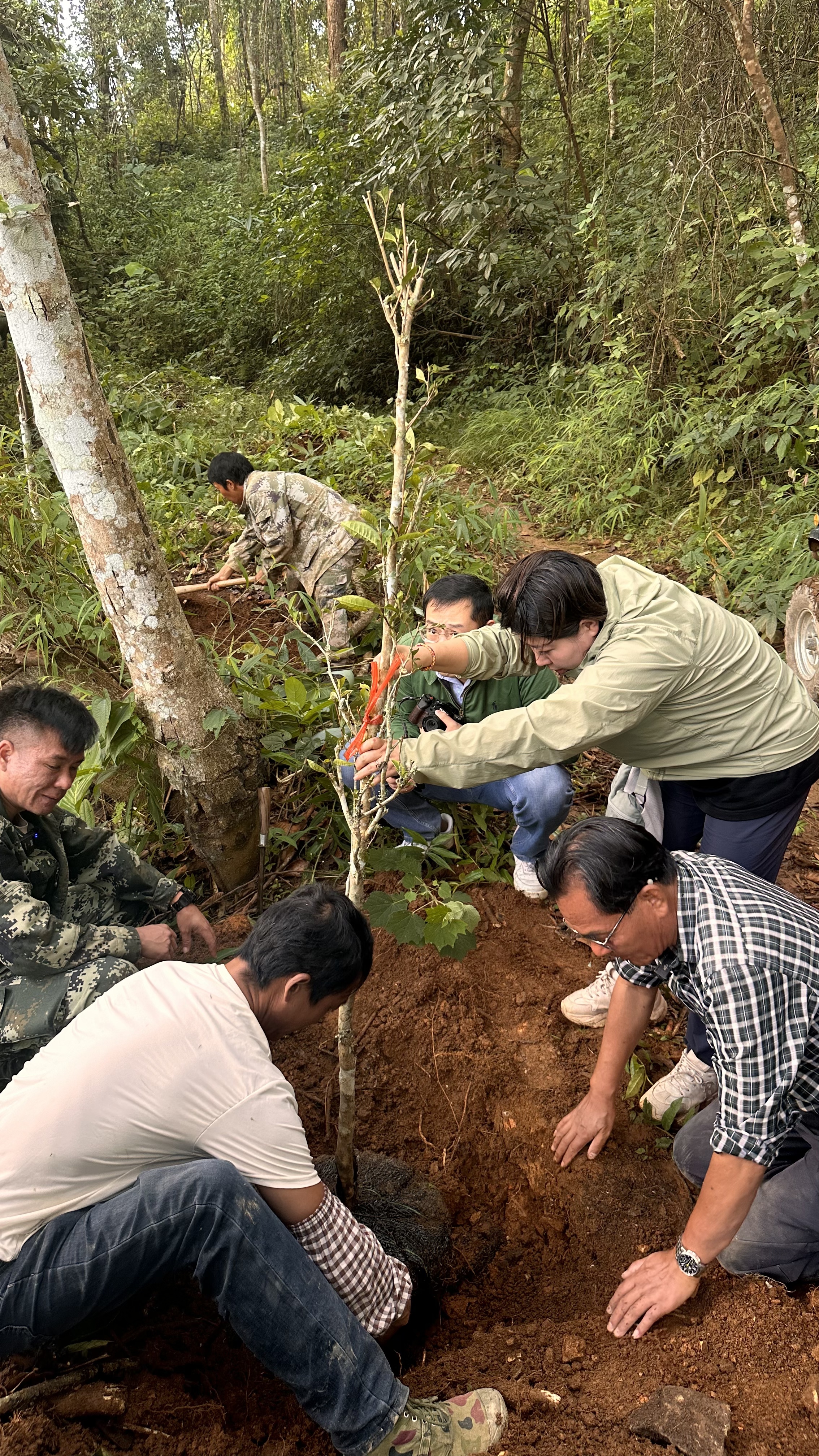
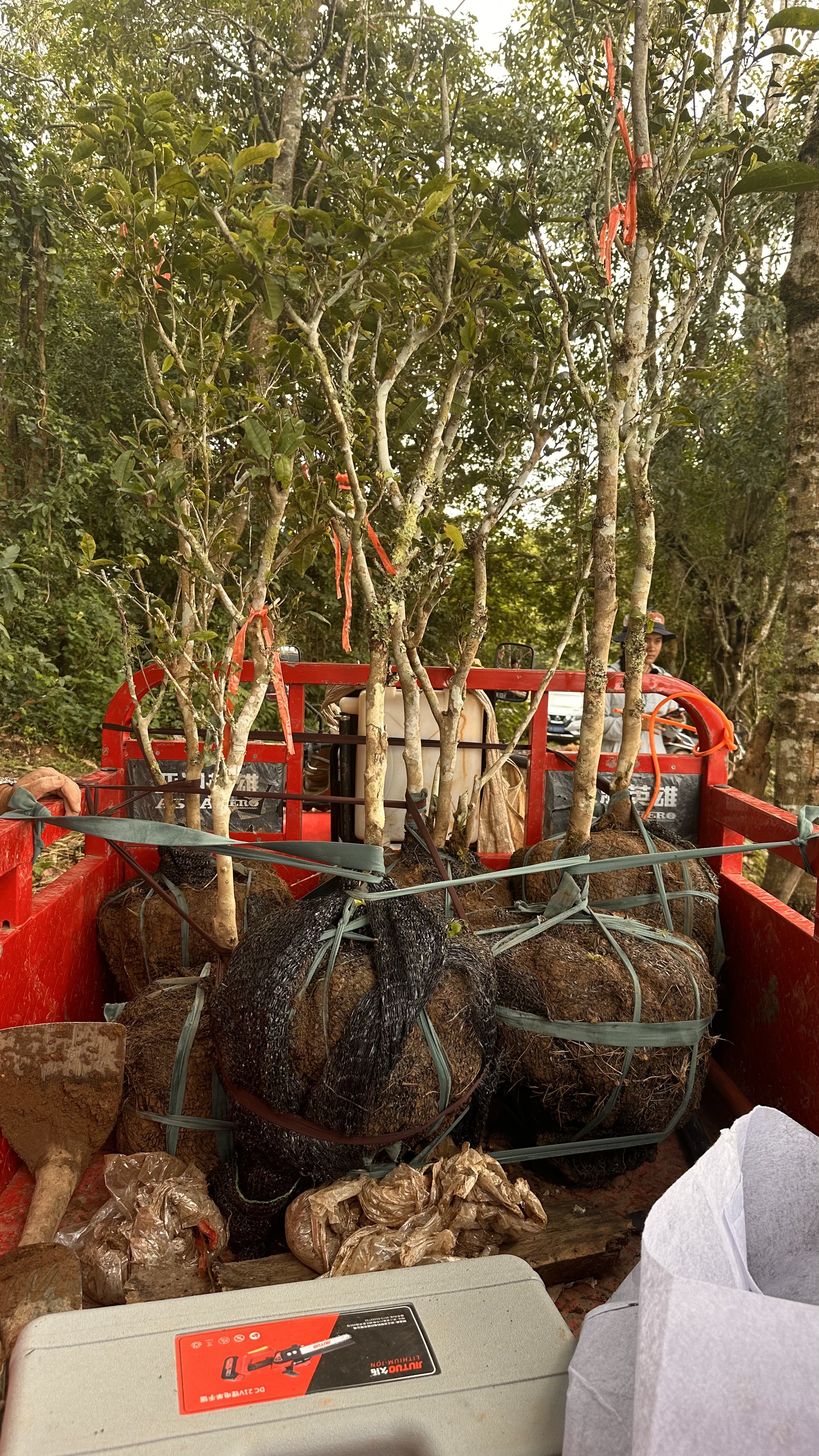
From 2024 to 2025, under the guidance of the Restoration Ecology Group of the Xishuangbanna Tropical Botanical Garden, the Good to Nature team collaborated with villagers from Anle Village to conduct a tea tree transplantation experiment. A total of 33 tea trees were successfully relocated from monoculture plots into secondary forest environments that support “Forest–Tea Coexistence,” achieving an impressive 96% survival rate.
This achievement provides valuable practical evidence for the ecological transformation of tea plantations. Previous research has shown that tropical montane evergreen broadleaf forests with moderate disturbance—environments that combine forest and tea cultivation—possess superior soil physicochemical properties and produce higher-quality tea. This transplantation experiment not only verified the strong adaptability of tea trees in forested environments but also confirmed that the Forest–Tea Coexistence model effectively balances economic value with ecological integrity.
Based on this successful outcome, the project team will continue to refine the technical framework of the Forest–Tea Coexistence model, exploring scalable and replicable pathways to promote synergistic development between ecology and economy.
 沪公网安备31010402009361号